In today’s competitive market, simply talking to your customers isn’t enough. The difference between a thriving business and one that struggles often comes down to the quality and effectiveness of its interactions. Outdated, one-size-fits-all approaches lead to disengaged customers and missed opportunities, making a refined approach to customer communication strategies more critical than ever. It’s time to move beyond generic emails and purely reactive support.
This article provides a comprehensive guide to eight powerful and actionable customer communication strategies designed for modern businesses. We will move past the obvious advice and dive directly into the specific tactics that drive real results. You’ll learn how to create seamless, personalized experiences that not only satisfy customers but also turn them into loyal brand advocates.
We’ll explore practical steps, real-world examples, and expert tips for implementing a truly effective plan. From leveraging omnichannel systems and conversational AI to building vibrant online communities, this guide covers the essential techniques you need.
Get ready to transform your customer interactions from a simple necessity into your greatest competitive advantage. By mastering the art and science of modern communication, you can build stronger relationships, foster lasting loyalty, and drive sustainable growth for your business. Let’s dive into the strategies that will upgrade your customer conversations.
1. Omnichannel Communication
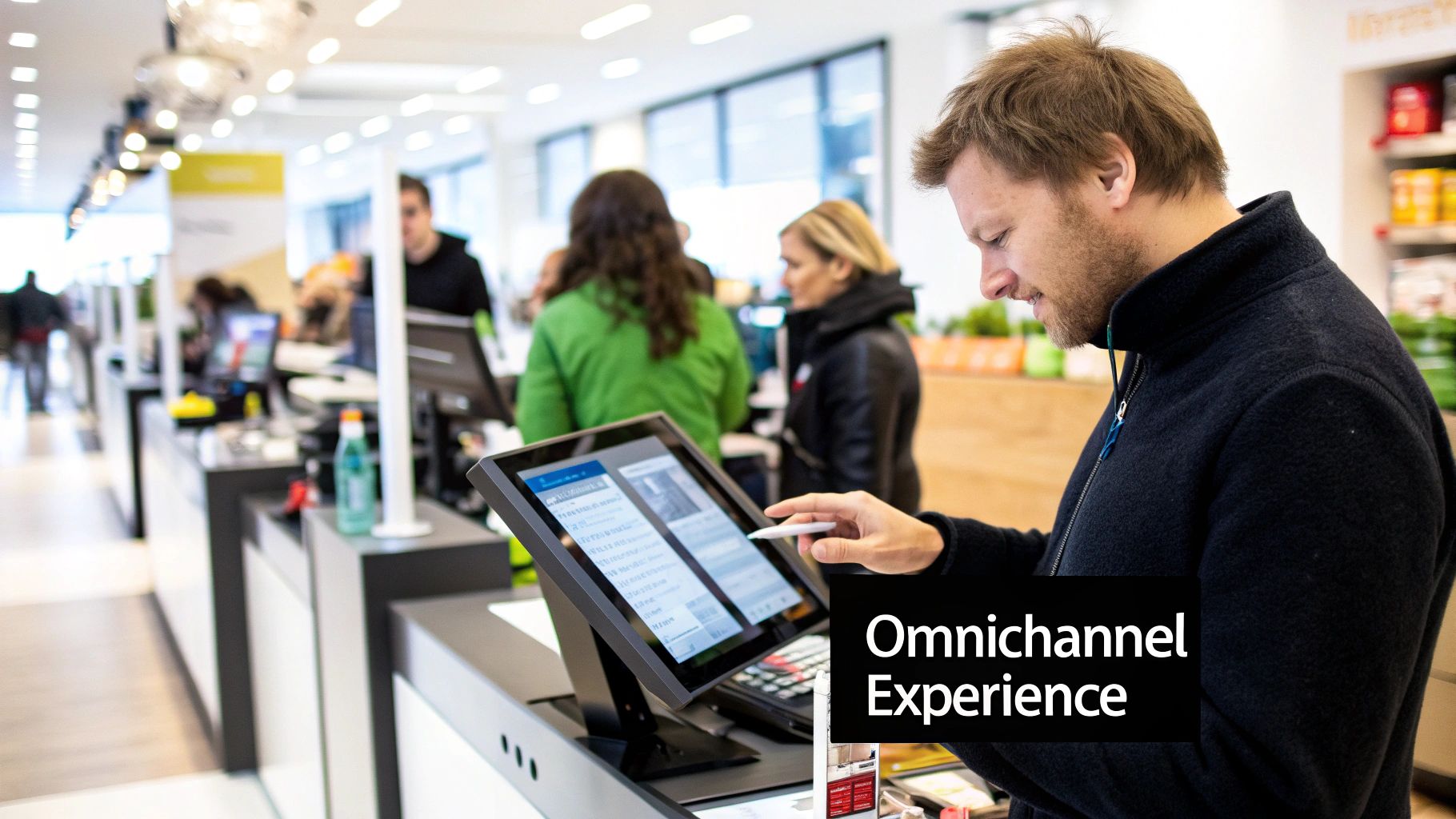
Omnichannel communication is a holistic strategy that focuses on providing a seamless and integrated customer experience across all potential touchpoints. Unlike a multichannel approach where channels operate independently, omnichannel ensures that every interaction, whether on social media, via email, in-app, or in-person, is connected and consistent. This creates a unified journey where the customer feels known and valued, regardless of how they choose to engage with your brand.
The core principle is that all channels work together, sharing data and context. A customer might browse products on your mobile app, add an item to their cart on a desktop computer, and then visit a physical store to make the final purchase. In an omnichannel system, the in-store associate can see the customer’s online activity, offering a truly personalized and efficient experience. This approach is a cornerstone of modern customer communication strategies because it puts the customer, not the channel, at the center of the experience.
Why It Works
This strategy excels because it mirrors how modern consumers actually behave. People switch between devices and platforms constantly, and they expect brands to keep up. By unifying the experience, you eliminate friction and frustration. For example, a customer shouldn’t have to repeat their issue to a phone agent after already explaining it in a live chat session.
Key Insight: The true power of omnichannel lies in its ability to create a single, continuous conversation with the customer, making every interaction feel like a natural continuation of the last.
How to Implement an Omnichannel Strategy
Successfully executing this requires a combination of technology, process, and training. To truly embrace this approach and meet customers across all touchpoints, building a modern multi-channel marketing strategy is a foundational step that helps organize your efforts before unifying them.
Here are some actionable steps:
- Map the Customer Journey: Identify all the touchpoints where customers interact with your brand. Understand their needs and expectations at each stage.
- Invest in a Unified Platform: A robust Customer Relationship Management (CRM) or Customer Data Platform (CDP) is essential. These tools centralize customer data, making it accessible across all channels.
- Train Your Teams: Ensure every employee, from marketing to sales to customer service, understands your brand voice and has access to the same customer information.
- Audit for Consistency: Regularly review your channels to ensure messaging, branding, and promotions are aligned. A promotion seen on Instagram should be honored in-store without confusion.
2. Personalized Communication
Personalized communication is a strategy that tailors messages, content, and interactions to individual customers based on their preferences, behavior, and purchase history. This approach moves beyond generic, one-size-fits-all messaging to deliver relevant and timely communications that make each customer feel uniquely valued and understood. It leverages data to create an experience that speaks directly to the individual’s needs and interests.
The core principle is to use what you know about a customer to enhance their journey. This can range from simple actions, like addressing a customer by their first name in an email, to more complex systems like Amazon’s product recommendation engine or Spotify’s Discover Weekly playlist. Effective personalized communication strategies show customers that you are paying attention, transforming a transactional relationship into a more meaningful connection.

Why It Works
This strategy is highly effective because it cuts through the noise of modern marketing. Consumers are bombarded with advertisements and messages daily; personalization makes your communication relevant and therefore more likely to capture their attention. When a brand recommends a product a customer genuinely needs or sends an offer related to a past purchase, it builds trust and demonstrates a true understanding of the customer’s needs, significantly boosting engagement and loyalty.
Key Insight: Personalization transforms communication from a broadcast into a conversation, making customers feel like valued individuals rather than just numbers on a spreadsheet.
How to Implement a Personalization Strategy
Executing a successful personalization strategy requires a thoughtful approach to data collection, segmentation, and automation. It’s about using data respectfully and effectively to add value to the customer experience.
Here are some actionable steps:
- Start with Segmentation: Begin by grouping your audience based on shared characteristics like demographics, location, or past purchase behavior. This is a foundational step toward more granular personalization.
- Leverage Customer Data: Use data from your CRM, website analytics, and purchase history to understand individual preferences. Track which products they view, what content they engage with, and when they are most active.
- Use Dynamic Content: Implement tools that allow you to change parts of your emails, website, or ads based on user data. This could mean showing different product recommendations or promotional offers to different customer segments.
- Respect Privacy: Be transparent about the data you collect and how you use it. Always provide clear opt-out options and respect user preferences to maintain trust.
3. Proactive Customer Service
Proactive customer service is a forward-thinking strategy where a business anticipates customer needs and addresses potential issues before the customer has to reach out. Instead of waiting for a complaint or a question, this approach involves monitoring customer behavior, identifying potential friction points, and offering solutions or information preemptively. This transforms the customer interaction from a reactive, problem-solving scenario into a positive, value-adding experience.
This strategy is about shifting from a “break-fix” model to a “predict and prevent” mindset. For instance, an airline that automatically notifies passengers of a flight delay and provides rebooking options is being proactive. Similarly, an e-commerce store like Amazon that alerts a customer to a potential shipping delay before they even think to track their package demonstrates a commitment to transparency and care. This approach is one of the most effective customer communication strategies for building trust and loyalty.

Why It Works
Proactive service works because it shows customers you are looking out for their best interests, which builds significant brand equity and trust. It solves problems before they escalate, reducing customer frustration and decreasing the burden on your support teams. By getting ahead of an issue, you control the narrative and demonstrate competence and reliability, which directly impacts customer retention.
Key Insight: Proactive communication turns a potential negative experience into an opportunity to demonstrate your company’s commitment to customer success and satisfaction.
How to Implement a Proactive Service Strategy
Implementing this requires a data-driven approach and the right tools to monitor customer signals. By taking these steps, you can explore ways for how to improve customer satisfaction and foster long-term loyalty.
Here are some actionable steps:
- Implement Customer Health Scoring: Use data from your CRM or other platforms to create a “health score” for each customer. Factors like product usage, recent support tickets, or purchase frequency can indicate if a customer is at risk of churning.
- Use Behavioral Triggers: Set up automated alerts for specific user actions (or inactions). For example, if a new user hasn’t logged into your software for a week, trigger an automated email with helpful tips to get them started.
- Provide Value in Every Outreach: Ensure every proactive message is genuinely helpful. This could be a “health check” report for a B2B client, a tutorial for a feature they haven’t used, or a simple heads-up about scheduled system maintenance.
- Balance Communication Frequency: Be careful not to overwhelm customers. Monitor engagement with your proactive messages and adjust the frequency to avoid creating communication fatigue.
4. Social Media Engagement
Social media engagement is a customer communication strategy centered on building relationships and fostering community directly on platforms where customers are most active. It moves beyond one-way broadcasting and transforms social media into a dynamic, two-way dialogue. This involves actively listening to conversations, responding to comments and messages, providing real-time support, and creating content that encourages interaction and builds brand loyalty.
This approach acknowledges that modern customers expect brands to be accessible and human. Whether it’s through Wendy’s famously witty Twitter account or Glossier’s community-driven Instagram content, effective social engagement makes a brand feel more like a personality than a corporation. It’s a powerful tool for gathering feedback, managing brand reputation, and turning passive followers into dedicated advocates.

Why It Works
This strategy is effective because it meets customers where they are already spending their time. Social media platforms are primary hubs for discovery, discussion, and customer service. By actively participating in these conversations, you can address issues before they escalate, gain invaluable insights into customer sentiment, and build a strong, relatable brand identity that resonates with your target audience.
Key Insight: Successful social media engagement isn’t just about posting content; it’s about creating a space for genuine connection and conversation that adds value to the customer experience.
How to Implement a Social Media Engagement Strategy
A successful approach requires a clear plan, a consistent voice, and the right tools. Companies like JetBlue have set a high bar by using Twitter for responsive and transparent customer service, demonstrating how these platforms can be used for more than just marketing.
Here are some actionable steps:
- Define Your Brand Voice: Develop clear guidelines for your tone, whether it’s humorous, professional, or empathetic. Ensure everyone managing your accounts understands and consistently applies it.
- Utilize Social Listening Tools: Implement tools like Hootsuite or Buffer to monitor brand mentions, keywords, and industry trends. This allows you to proactively join relevant conversations and address feedback you might otherwise miss.
- Establish Response Protocols: Create a clear process for handling different types of interactions, from positive shout-outs to critical complaints. Quick, helpful responses are crucial for effective customer communication strategies.
- Create Value-Driven Content: Focus on producing content that educates, entertains, or inspires your audience, encouraging shares, comments, and discussions rather than just promoting products.
5. Conversational AI and Chatbots
Conversational AI and chatbots are automated communication tools that provide instant, 24/7 customer support and engagement through text or voice interfaces. Far from the rigid bots of the past, modern AI-powered assistants can handle complex queries, understand user intent, learn from interactions, and seamlessly escalate conversations to human agents when necessary. This technology acts as a first line of defense, empowering customers to find answers quickly and freeing up your team to focus on more complex issues.
The core function is to automate responses to frequently asked questions and guide users through common processes. For example, a customer can ask H&M’s chatbot for an order status or initiate a return without ever needing human intervention. Similarly, Domino’s “Dom” assistant allows customers to place orders conversationally across various platforms. This makes them a vital component of modern customer communication strategies, offering scalability and efficiency that would be impossible to achieve with human staff alone.
Why It Works
This strategy is effective because it directly addresses the modern consumer’s demand for immediate and always-on support. Customers no longer want to wait on hold or search through lengthy FAQ pages for simple answers. Chatbots provide instant gratification, which significantly improves the customer experience and reduces frustration. They also operate around the clock, ensuring your business is responsive even outside of standard business hours.
Key Insight: The primary value of conversational AI is its ability to handle high volumes of routine inquiries with speed and accuracy, allowing your human support team to apply their expertise to high-value, complex customer interactions.
How to Implement Conversational AI
Deploying an effective chatbot requires a strategic approach focused on solving specific customer problems rather than trying to be a catch-all solution. Businesses interested in how this technology can enhance their brand’s image can explore how reputation management is powered by AI.
Here are some actionable steps:
- Start with Common Queries: Identify the top 5-10 most frequently asked questions your support team receives. Build your chatbot’s initial knowledge base around solving these repetitive issues first.
- Provide an Escalation Path: Always include a clear and easy way for customers to connect with a human agent. Phrases like “speak to an agent” should be a primary trigger for a seamless handoff.
- Be Transparent: Clearly identify that the customer is interacting with a bot to manage expectations from the start. A simple “Hi, I’m the [Your Brand] virtual assistant!” is sufficient.
- Monitor and Train: Regularly review chat transcripts to identify areas where the bot struggled or where customer needs weren’t met. Use these insights to continuously train your AI models and update the knowledge base.
6. Video Communication
Video communication is a powerful strategy that leverages video content and real-time interactions to engage customers, provide support, and build deeper relationships. More than just a marketing tool, it’s a dynamic communication channel that can be used for everything from personalized onboarding messages to live video customer service calls. This method adds a human touch to digital interactions, allowing you to convey tone, emotion, and complex information more effectively than text alone.
The core principle is to use the visual and auditory medium of video to create more memorable and impactful customer experiences. For example, a support agent might send a quick, personalized screen recording via Loom to walk a customer through a complex software feature, or a retail brand like Warby Parker might offer live virtual consultations. This approach is one of the most effective customer communication strategies today because it meets the modern consumer’s preference for engaging, easily digestible content and provides a level of personalization that text-based channels often lack.
Why It Works
This strategy excels because it’s highly personal and efficient. Video can explain in 90 seconds what might take pages of text to describe, reducing customer effort and potential frustration. It allows your team’s personality to shine through, building trust and rapport in a way that feels authentic and direct. In a crowded digital landscape, a personalized video message can cut through the noise and make a customer feel genuinely seen and valued.
Key Insight: Video communication transforms abstract or complex instructions into clear, visual demonstrations, drastically improving comprehension and customer success while building a stronger human connection.
How to Implement a Video Communication Strategy
Integrating video requires a thoughtful approach to both content creation and live interaction. It’s about finding the right moments in the customer journey where a video can add the most value.
Here are some actionable steps:
- Start with Asynchronous Video: Begin by using tools like Loom or Vidyard to send personalized video messages for sales follow-ups, customer onboarding, or complex support tickets. This is a low-pressure way to introduce video into your workflow.
- Invest in Good Audio: Clear audio is more critical than perfect video quality. A simple, quality microphone will make your videos far more professional and easier to understand than a high-end camera with poor sound.
- Create a Resource Hub: Develop a library of “how-to” videos, product tutorials, and FAQs. Host them on your website or a platform like YouTube to provide customers with self-service support options. Home Depot does this masterfully with its DIY project tutorials.
- Train Your Team: Coach your customer-facing teams on best practices for video communication, including how to be clear, concise, and professional on camera. This is crucial for both pre-recorded messages and live video support calls.
7. Community Building and Forums
Community building is a customer communication strategy that moves beyond one-on-one interactions by creating a dedicated space for customers to connect with each other and the brand. This approach fosters a sense of belonging and empowers users to share experiences, ask questions, and provide peer-to-peer support. By facilitating these conversations, brands like Salesforce with its Trailblazer Community and Adobe with its Creative Community build loyal, self-sustaining ecosystems.
The core principle is to transform your customer base from a collection of individuals into an interconnected network. This shifts the communication dynamic from a purely top-down model (brand to customer) to a multi-directional one where customers also communicate with and help each other. It’s a powerful way to scale support, gather authentic feedback, and cultivate brand advocates who are genuinely invested in your success.
Why It Works
This strategy is effective because it taps into the fundamental human need for connection and shared identity. Customers often trust the insights of their peers more than they trust brand messaging. A thriving community becomes a valuable resource, reducing the burden on your support team as experienced users help newcomers. It also provides a direct, unfiltered channel for understanding customer pain points, use cases, and desires.
Key Insight: A successful community turns customers into stakeholders. They feel a sense of ownership and are more likely to contribute ideas, defend the brand, and remain loyal long-term.
How to Implement a Community Strategy
Building a vibrant community requires a proactive and sustained effort. It’s not just about creating a forum and hoping for the best; it involves active moderation, engagement, and providing value. For practical ways to encourage engagement, explore questions designed to spark deeper connection within your community and get conversations started.
Here are some actionable steps:
- Establish Clear Guidelines: Create and enforce a clear code of conduct to ensure the space remains safe, respectful, and constructive.
- Seed Initial Discussions: Kickstart conversations by posting valuable content, asking thought-provoking questions, and initiating discussions related to your industry and products.
- Recognize Top Contributors: Implement a system to acknowledge and reward your most active and helpful members. This could include badges, exclusive access, or shout-outs.
- Participate Authentically: Have your team members, including product managers and engineers, participate in discussions. Answer questions, ask for feedback, but avoid overly promotional posts.
- Leverage Community Insights: Actively monitor conversations to identify common issues, feature requests, and innovative uses of your product, then use that data to drive business improvements.
8. Feedback Loop Communication
Feedback loop communication is a powerful strategy that turns customer input into a systematic cycle of business improvement. It goes beyond simply collecting reviews or survey responses; it involves actively analyzing that feedback, implementing changes based on it, and, crucially, communicating those changes back to the customers who provided the input. This transforms passive listening into an active, collaborative partnership with your audience.
The core of this strategy is to demonstrate that customer voices are not just heard but are genuinely valued and acted upon. When a customer suggests an improvement and later sees it implemented, it builds immense trust and loyalty. Companies like Slack exemplify this by maintaining public roadmaps where users can see which of their requested features are being worked on. This transparent process makes customers feel like co-creators of the product.
Why It Works
This strategy fosters a deep sense of community and investment among your customer base. People are more likely to remain loyal to a brand that listens to them and evolves based on their needs. It also provides an invaluable source of real-world insights, helping you prioritize product developments, service improvements, and marketing messages that truly resonate. Closing the loop confirms that providing feedback isn’t a waste of time.
Key Insight: A closed feedback loop turns criticism into a catalyst for growth and transforms customers from simple consumers into brand advocates who are invested in your success.
How to Implement a Feedback Loop Strategy
Building an effective feedback loop requires a structured process for capturing, analyzing, and responding to customer input. Using dedicated tools is often essential for managing this process at scale, and exploring various customer feedback management software options can provide the technological backbone for your strategy.
Here are some actionable steps:
- Systematically Collect Feedback: Use multiple channels to gather input, such as post-purchase email surveys, in-app feedback forms, social media polls, and direct conversations.
- Analyze and Prioritize: Categorize the feedback you receive and prioritize it based on its potential impact on customer experience and its feasibility for your business.
- Act on the Insights: Implement the changes that are most valuable and achievable. This could range from a small tweak on your website to a major product feature update.
- Close the Loop: This is the most critical step. Communicate back to your customers. Send a targeted email to users who requested a specific feature once it’s launched, or write a blog post summarizing recent changes made based on community feedback.
Customer Communication Strategies: 8-Point Comparison
| Communication Strategy | Implementation Complexity 🔄 | Resource Requirements ⚡ | Expected Outcomes 📊 | Ideal Use Cases 💡 | Key Advantages ⭐ |
|---|---|---|---|---|---|
| Omnichannel Communication | High – complex integration needed | High – CRM, data platforms, training | Improved satisfaction, loyalty, conversion, insights | Businesses with multi-touch customer journeys | Unified data, seamless experience, competitive edge |
| Personalized Communication | Medium to High – data-driven setup | Medium to High – data collection & analytics | Higher engagement, conversion, lifetime value | Targeted marketing, segmentation, content delivery | Tailored messaging, efficient spend, better CX |
| Proactive Customer Service | High – predictive analytics setup | High – monitoring tools, training | Reduced churn, increased trust, fewer support tickets | SaaS, subscription models, customer success programs | Prevents issues, builds loyalty, competitive advantage |
| Social Media Engagement | Medium – ongoing management | Medium – monitoring tools, content creation | Direct interaction, viral potential, brand personality | Brands focusing on community, informal support, marketing | Cost-effective, real-time feedback, humanizes brand |
| Conversational AI & Chatbots | Medium to High – AI training required | Medium – AI platforms, maintenance | Faster responses, scalability, consistent service | High-volume inquiries, 24/7 support | Reduces wait times, cost-effective, scalable |
| Video Communication | Medium to High – production skills | Medium to High – equipment, production time | Higher engagement, emotional connection, demo complex info | Product demos, tutorials, high-touch customer support | Visual impact, better resolution, emotional bonding |
| Community Building & Forums | Medium – ongoing moderation | Medium – community managers, platform | Customer loyalty, peer support, rich feedback | Niche communities, brand advocacy, product feedback | Reduces support load, builds loyalty, cost-effective |
| Feedback Loop Communication | Medium – systematic setup | Medium – surveys, analytics tools | Improved trust, actionable insights, reduced churn | Continuous improvement, product development, CX teams | Builds trust, drives improvements, competitive edge |
Start Building Better Connections Today
The journey to exceptional customer engagement is paved with intentional, strategic communication. We’ve explored a comprehensive toolkit of eight powerful customer communication strategies, moving beyond mere transactional interactions to build genuine, lasting relationships. From the seamless integration of an omnichannel approach to the authentic, human touch of personalized video messages, each strategy offers a unique pathway to connect more deeply with your audience.
The core lesson is this: effective communication is no longer a “soft skill” but a hard-and-fast business imperative. It’s the engine of loyalty, the driver of positive reviews, and the foundation of a resilient brand. In a crowded marketplace, the way you speak with your customers is often your most significant differentiator.
Distilling Strategy into Actionable Steps
Navigating these concepts can feel overwhelming, but progress is about focused action, not simultaneous implementation of every idea. Your path forward is about selecting the right tools for your specific business needs and customer base.
Let’s recap the key takeaways and transform them into your immediate action plan:
- Unify Your Channels: Don’t make customers repeat themselves. Start by auditing your current communication channels. The first step towards an omnichannel experience is simply mapping the customer journey and identifying where the conversational handoffs are breaking down.
- Embrace True Personalization: Move beyond just using a customer’s first name. Begin by segmenting your email list based on a single, simple behavior, like a recent purchase or a visit to a specific product page. Tailor your next campaign to that one segment and measure the difference in engagement.
- Get Ahead of Problems: Proactive service turns potential disasters into moments of delight. Identify the single most common question your support team receives. Can you create an automated email, a tutorial video, or an FAQ entry that answers it before the customer has to ask?
- Listen and Respond to Feedback: Your customer feedback loop is a goldmine of business intelligence. Make it a formal process. Choose one channel, whether it’s Google Reviews or a post-purchase survey, and commit to responding to every single piece of feedback for the next 30 days. This practice builds both trust and invaluable insight.
The Cumulative Impact of Better Communication
Implementing even one of these customer communication strategies will yield positive results. However, their true power is realized when they work in concert. A well-designed chatbot can seamlessly hand off a complex query to a human agent (omnichannel). That agent can then use CRM data to understand the customer’s history (personalization) and solve their issue while also inviting them to a brand community (community building).
This interconnected approach transforms your communication from a series of isolated tasks into a cohesive ecosystem that nurtures the customer relationship at every touchpoint. It shows customers that you see them, you hear them, and you value their business beyond a single transaction. This is how you build brand advocates who not only keep coming back but also bring others with them. Your commitment to mastering these strategies is a direct investment in the long-term health and growth of your business.
Ready to master your feedback loop and turn customer reviews into your most powerful marketing asset? Reviews To The Top centralizes your customer conversations, automates review requests, and provides the tools you need to build a stellar online reputation. Take control of your customer communication by visiting Reviews To The Top and see how our platform can elevate your brand.