What’s in a name if customers can’t find it, remember it, or say it back to a friend? A restaurant name does more than signal style. It affects discovery in Google, map results, social handles, review platforms, and even whether someone taps to call, book, or ask for directions.
If you’re looking for creative names for restaurants, don’t stop at a clever idea. The best names convert because they’re memorable, easy to pronounce, searchable, and usable across every place customers encounter your brand. This guide gives you creative name directions, practical examples, and a validation process you can use before you print menus or claim your profiles. If your team needs a fresh way to enhance innovative problem-solving, naming is a good place to start.
Table of Contents
- Key Facts
- 1. Descriptor + Location-Based Names
- 2. Chef/Owner Name-Based Restaurants
- 3. Culinary Technique or Method-Based Names
- 4. Ingredient-Forward or Farm-to-Table Names
- 5. Emotional or Experiential Names
- 6. Wordplay, Puns, and Creative Portmanteaus
- 7. Heritage, Cultural, or Ethnic Identity Names
- 8. Minimalist or Single-Word Names
- 9. Time Period or Nostalgic References
- 10. Metaphor and Literary-Inspired Names
- 10 Creative Restaurant Name Types Compared
- How to validate your restaurant name step by step
- Templates and scripts
- Restaurant naming brief template
- Quick AI prompt for name generation
- Google Business Profile optimization checklist
- Review request SMS
- Review request email
- Positive review response template
- Negative review response template
- 7-day launch checklist for a review program
- How to measure whether the name is working
- FAQs
- Can creative names for restaurants hurt local SEO
- Should I include my city or neighborhood in the restaurant name
- What works better for multi-location restaurants
- Are puns a bad idea for restaurant names
- How short should a restaurant name be
- Should I use AI to name my restaurant
- What should I do after I choose the name
- Your Next Step From Name to Noteworthy Brand
Key Facts
What makes a restaurant name work once it leaves the brainstorm and hits Google, maps, social profiles, and real customer conversations?
Search interest around naming stays active through the year, with visible spikes around terms like “restaurant name ideas” and “unique restaurant names,” according to Accio’s restaurant naming trend analysis. That matters for one reason. Owners are not just trying to sound creative. They are competing in a crowded naming market where originality, clarity, and availability get harder to secure the longer they wait.
A practical naming standard is simple. The name should be easy to say, easy to spell, easy to search, and strong enough to carry signage, social handles, and a Google Business Profile. Birdeye’s restaurant naming guidance points to the same pressure points: search-friendly spelling, local relevance, and cuisine clarity all affect whether customers can find you.
Distinctive naming still varies by market. Tinting Chicago’s review of restaurant naming patterns highlights cities where more restaurants use less generic naming, and it also notes a broader shift toward cleaner, easier-to-pronounce names over cluttered punctuation or overly clever formats. That trade-off is real. A name can be memorable in a brainstorm and still fail in search, word of mouth, or voice assistants if people cannot repeat it correctly.
Platform fit matters too. Qamarero’s naming guide notes that shorter names tend to travel better across social platforms and digital listings, which is why serious operators check domains, social handles, reservation platforms, review sites, and map listings before they commit. Good naming work includes distribution checks, not just creative taste.
Recent naming conversations also include AI-assisted ideation and voice-search fit, as covered in Agilysys’s review of restaurant naming trends. Use that as a filter, not a shortcut. AI can help generate volume, but the winning name still needs human validation for customer recall, local SEO, and reputation visibility. That last part matters more than many owners expect because your name will shape how people search, review, and judge the business online. A strong online reputation helps turn discovery into booked tables.
1. Descriptor + Location-Based Names
A strong local name can do two jobs at once. It can sound grounded and help people connect the restaurant to a place they already know, like a district, street, plaza, or landmark.
Think about names such as Gramercy Tavern or Hayes Valley Farm Shop. Even when the words themselves are simple, the location gives the brand context. That context matters when someone searches for dinner in [Neighborhood] or types a cuisine plus “near me.”
Why this format works
If your concept depends on local traffic, this is often the safest creative lane. It gives Google and customers immediate relevance. It also helps with map listings, review sites, and word of mouth because people naturally include the area when they talk about the place.
Google’s local model is usually explained through proximity, relevance, and prominence. Proximity is how close the searcher is. Relevance is how well your profile matches the search. Prominence is how established and trusted the business appears through reviews, links, and profile strength. A location-based name can support relevance, especially when paired with accurate categories and complete profiles.
Practical rule: If most of your business will come from people within a short drive, don’t ignore local language they already use.
For operators managing several stores, keep the naming architecture tight. Use a parent brand and then add location variants where needed, such as “Foundry Kitchen” plus “Foundry Kitchen River North.” This keeps branding consistent without making every profile generic.
You’ll also want location consistency across your directories. That’s where local listings on Google become operational, not cosmetic.
Name starters
- Neighborhood + food cue: Riverfront Grill, Old Town Pasta, Market Square Kitchen
- Landmark + mood: Station House, Harbor Table, Parkline Bistro
- Street + concept: Ash Street Oven, Linden Social, Monroe Tavern
Use real local language, not what sounds good in a brainstorm. If locals call it “South End,” don’t force “Southern Arts District” into the name.
2. Chef/Owner Name-Based Restaurants
Some restaurants sell personality as much as food. In that case, the chef or founder name can become the brand.
Chez Panisse, Spago, and many chef-led concepts work because the person behind the food is part of the product. Customers aren’t just buying a meal. They’re buying the taste, point of view, and standards associated with that operator.
When a personal name helps
This works best when the chef is visible, credible, and likely to stay involved. If the founder plans to be on the floor, in local press, on social, and in review responses, the name can deepen trust. If the owner is silent and absent, a personal name often feels hollow.
Personal names also help when the menu may evolve. “Maria Alvarez Cocina” can stretch more easily than a highly specific concept name if the food direction changes later.
The risk is scale. If you expand into multiple locations and quality varies, the founder’s name absorbs every complaint. That’s why the importance of online reputation gets amplified for chef-branded restaurants.
Name starters
Use one of these structures if the founder identity is central:
- First name + category: Elena Table, Marco Oyster Bar, Sofia Supper Club
- Surname + craft cue: Bennett Roast, Navarro Kitchen, Russo Grill
- Name + cultural signal: Lena Mercato, Ortiz Comedor, Kaur Tandoor
A founder name is strongest when staff can answer one simple question: “Who is this person and why should I care?”
If you choose this route, make the founder story consistent everywhere. Website bio, Google Business Profile, reservation platform, social captions, and review responses should all reinforce the same positioning. That consistency also helps AIO, meaning Artificial Intelligence Optimization, because LLMs and conversational search tools look for repeated structured signals.
3. Culinary Technique or Method-Based Names
Method-based names are direct. They tell customers what you do before they even read the menu.
That’s useful when the technique is the main draw. Wood-fired, smoked, charred, rotisserie, hand-pulled, fermented, coal oven, and live fire all give people a reason to click because they imply flavor and process.
What this signals fast
Names like Roasted, Ember, The Smoking Gun, or Coal House work when the method shapes the experience. If your open kitchen, grill program, smoker, or pizza oven is central to the concept, put it to work in the brand.
This style also helps with content. Customers naturally mention techniques in reviews. Staff can explain them in FAQs. Menus, GBP descriptions, and social posts can repeat the same signal without sounding forced.
A practical example for [City]: if your concept is built around flame cooking, “Ember on Main” is easier to understand than an abstract name that needs a paragraph of explanation.
Name starters
- Technique only: Ember, Char, Smoked, Fired
- Technique + place: Ember Row, Oakfire [Neighborhood], The Smoke Yard
- Technique + cuisine: Charhouse Tacos, Rotisserie Market, Fired Pasta Co.
Keep the promise honest. Don’t call the place “Woodfire” if a small percentage of the menu touches wood. Customers notice that mismatch fast, and their reviews usually say so.
A good operating habit is to review customer language monthly. If reviewers keep saying “best grill flavor” or “loved the smoke,” echo that language in your responses and profile copy. It strengthens relevance without sounding robotic.
4. Ingredient-Forward or Farm-to-Table Names
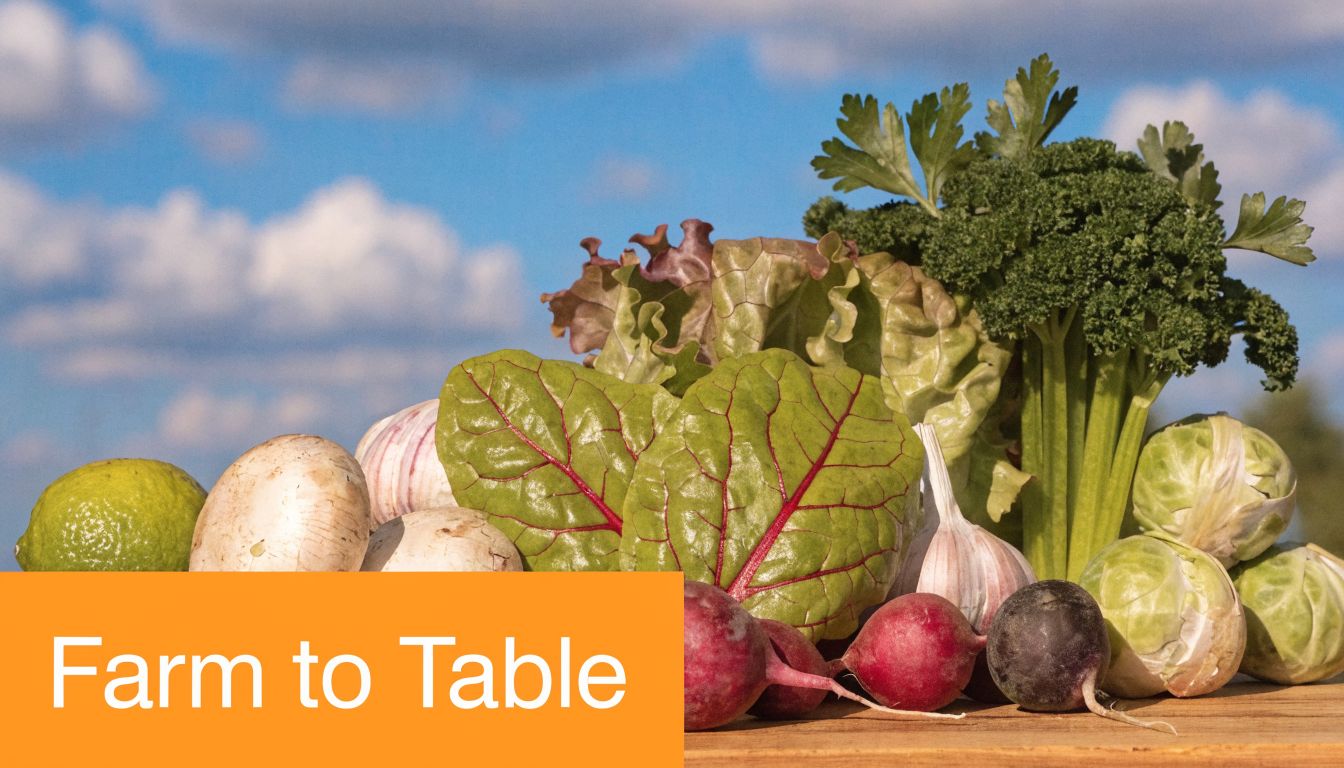
What should your name signal in the first two seconds. Freshness, sourcing discipline, and a menu built around recognizable ingredients. That is why names like Root, Orchard, Grain, Seed, Fig, Salt, Sage, and Vine keep showing up in this category.
These names work best when ingredient quality is part of the actual business model, not just the mood board. If guests see “Harvest,” “Field,” or “Farm” in the name, they expect seasonal specials, produce-forward dishes, and some proof that the sourcing story is real.
That expectation is useful. It gives you a clear brand position and better raw material for search visibility, review language, and Google Business Profile copy. If you want the name to do more than sound attractive, connect it to your broader digital marketing strategy for local restaurants and service businesses.
Where this naming style works
A name like “Root & Table” sets a very different expectation from “Downtown Eatery.” It suggests a point of view on ingredients before anyone opens the menu.
That can help the right operator. It can also create a credibility problem.
If your produce program changes with the season, your menu calls out farms or regions, and your team can answer sourcing questions, ingredient-forward naming gives you a clean, believable promise. If your supply chain is inconsistent, your menu is broad and convenience-driven, or your concept is really about speed and price, this style can box you in fast.
Name starters
- Earth and seasonality: Harvest Lane, First Field, Solstice Table
- Ingredient signal: Fig & Salt, Sage Row, Olive Grain
- Farm-to-table cue: Rooted Kitchen, Orchard House, Seed & Supper
Use a farm-driven name only if you can support it with real menu language, supplier stories, or visible sourcing choices.
Do the validation work before you print menus. Search the exact name, close variants, and plural versions. Check whether nearby restaurants, caterers, or food brands already own the phrase in your market. Then test the name inside your Google Business Profile setup. The right categories, description, photos, and Q&A should reinforce the same ingredient story instead of forcing customers to guess what the place does.
For multi-location operators, this style can still scale. Keep the parent brand anchored in a clear ingredient promise, then localize the proof. Each location page, GBP profile, and AI-generated draft should reference that store’s suppliers, seasonal menu angle, or regional produce mix so the brand feels specific instead of generic.
5. Emotional or Experiential Names
Want guests to book the feeling before they even read the menu?
Emotional or experiential names work best when the experience is the product. They signal what the night should feel like: relaxed, intimate, celebratory, social, romantic. That can be powerful for date-night concepts, neighborhood gathering spots, wine bars, chef-driven tasting rooms, and hospitality-first restaurants where service and atmosphere do as much selling as the food.
The trade-off is clarity. A name like Afterglow or The Welcome Room can create interest, but it does less upfront SEO work than a name that states the cuisine or format. If you choose this route, your descriptor, Google Business Profile, and on-page copy need to do the categorizing fast. Guests should not have to guess whether you are a cocktail bar, modern bistro, or private dining concept.
Where these names win
This naming style performs best when the room, service model, and guest journey all support the promise. If your space encourages lingering, your playlist and lighting are intentional, your staff is trained for warm personal service, and your menu fits the mood, the name feels earned.
If the operation is built around speed, heavy delivery volume, or price-led traffic, this style usually needs more support. In those cases, an emotional name can still work, but only if the rest of the brand system does the clarifying. That includes your category selection, review language, photos, and local business marketing setup.
For owners building demand through local search, the name is only one input. The stronger play is to pair an experiential brand with local business digital marketing strategies that reinforce the occasion, audience, and cuisine in every customer touchpoint.
Name starters
- Community: Common Table, Gather House, The Welcome Room
- Mood: Hearthlight, Easy Evening, Afterglow
- Occasion: Sunday Supper, First Toast, Long Table Social
Validation matters more with this category than owners expect.
Run the name through a simple stress test before you commit. Search the exact phrase, close variants, and plural forms. Then ask three practical questions: Does the name still make sense without your logo? Can a first-time customer tell what kind of place this is within five seconds of landing on your GBP or homepage? Can AI tools, local directories, and voice search systems connect the name to the right cuisine and service type?
If the answer is no, fix the support copy, not just the name. For example, “Afterglow” works better as “Afterglow Wine Bar” in profile titles, page headings, and directory descriptions. That keeps the emotional pull while giving search engines and customers enough context to find you.
6. Wordplay, Puns, and Creative Portmanteaus
Want a name people remember after hearing it once?
Wordplay can do that fast. A strong pun or portmanteau gives people something easy to repeat, text, and bring up later. That helps with recall. It can also create avoidable friction if the name is hard to spell, hard to pronounce, or too clever to explain the concept.
That trade-off matters more in restaurants than owners expect. Guests do not discover you only from a sign anymore. They hear the name in conversation, say it into voice search, scan it in map results, and try to tag it on social. If the joke lands but the business type stays fuzzy, the name starts making your marketing team work harder than necessary.
“The Codfather” is memorable. “The Codfather Fish & Chips” is easier to find, easier to understand, and easier to trust on first glance.
Where playful names work best
Puns usually perform best when the concept is casual, visual, and easy to grasp. Fish and chips, bakeries, brunch spots, taco shops, coffee bars, dessert brands, and food trucks can often carry more personality in the name without losing clarity.
Fine dining has less room for it. So do chef-driven concepts trying to build authority around technique, sourcing, or heritage. A playful name can still work there, but only if the rest of the brand system explains the offer immediately.
Validation matters. A creative name is only half the job. The other half is checking whether real customers and search platforms interpret it the way you intended.
Name starters
- Pun + descriptor: Wok This Way Kitchen, Brewed Awakening Cafe, The Rolling Scone Bakery
- Portmanteau: Pastaria, Tacoria, Pizzana
- Playful phrase: Thyme Out, Batter Days, Holy Crepe
Clever is fine. Confusing is expensive.
Use a simple filter before you shortlist anything in this category:
- Can someone spell it after hearing it once?
- Can a first-time customer tell what you serve without seeing the logo?
- Does the name still make sense in Google Business Profile, Apple Maps, and Instagram handles?
- If AI tools summarize your business, will they connect the name to the right cuisine and service type?
If two names are equally strong creatively, pick the one that needs less explanation. That usually lowers wasted clicks, wrong expectations, and bad branded search behavior.
One more practical rule. Pair the playful name with plain-language support copy everywhere discovery happens first. Use the category in your profile title, homepage H1, meta title, menu intro, and directory descriptions. If your brand name is “Holy Crepe,” the search-facing version should read more like “Holy Crepe, Creperie and Coffee Shop” in the places where context helps customers choose you.
I also recommend testing pun-based names with three real-world checks before you commit: a phone answer test, a signage mockup, and a search result scan. If staff have to repeat it, the sign looks cluttered, or the results page is filled with unrelated meanings, keep brainstorming. A fun name should create recall, not extra explanation.
7. Heritage, Cultural, or Ethnic Identity Names
This style works when it reflects something real. A name rooted in language, family, region, or culinary tradition can build trust, but only when the restaurant backs it up with substance.
Names like La Trattoria, Estela, or a family surname plus cuisine cue can signal authenticity. They tell customers there’s a story behind the menu.
Authenticity matters more than ornament
The mistake is using cultural signals as decoration. If the restaurant name leans heavily on tradition, guests expect the food, hospitality, and storytelling to follow through. If not, reviews often call out the gap.
This is one reason simple, easy-to-pronounce names are gaining favor over overloaded names with punctuation or forced cleverness, as noted earlier from the naming trend source. A culturally rooted name can still be accessible.
Name starters
- Family-rooted: Alvarez Cocina, Singh Tandoor, Petrov Table
- Regional cue: Napoli House, Anatolia Grill, Basque Lane
- Tradition + category: Abuela’s Kitchen, Nonna Mercato, Seoul Hearth
Use this format carefully in multi-location settings. If your restaurant expands from [City] to [City], keep the cultural story consistent across each location page and profile. Add details about traditions, preparation methods, and signature dishes in FAQ copy rather than stuffing them into the business name.
A short rule I give teams is simple. If the name claims heritage, the menu and service need to teach it.
8. Minimalist or Single-Word Names
Want a restaurant name that looks sharp on a sign and still works in Google search?
Single-word names can do that. They feel confident, modern, and high-end. They also create one of the most common naming problems I see. Owners pick a beautiful word that means something to them, then realize customers cannot tell whether it is a cafe, wine bar, bakery, or full-service restaurant.
Names like Noma, Alinea, or Atelier show the appeal. The format is clean, memorable, and easy to build a visual identity around. The trade-off is discoverability. A short name gives you less built-in context, so every supporting field has to carry more weight, including your Google Business Profile category, page titles, menu headers, reservation listings, and social bios.
That is why minimalist naming works best as part of a full naming system, not as a branding shortcut.
Where single-word names work best
This format fits restaurants that sell mood, design, or chef reputation as much as menu category. It also works well if the word is easy to pronounce after hearing it once.
The risk shows up fast in local SEO and word of mouth. If someone hears "Bloom" from a friend, they may search "Bloom restaurant" and get florists, salons, or businesses in other cities. If your name is broad, your validation process needs to be stricter. Check search results, Google Business Profile duplicates, domain availability, trademark conflicts, and map pack competition before you commit.
A good minimalist name should pass three tests:
- Pronunciation test: a first-time customer can say it and spell it without help
- Category test: your subtitle or descriptor makes the concept obvious fast
- Search test: branded search results are not crowded with unrelated businesses
Name starters
- Invented but easy to say: Solen, Brava, Cado, Liora
- Real words with atmosphere: Hearth, Bloom, Juniper, Vessel
- Craft or studio language: Atelier, Foundry, Larder, Cellar
Use a single-word name only if you are willing to add structure around it. "Juniper" is elegant. "Juniper Mediterranean Kitchen" is easier to find, easier to remember, and easier to optimize across listings. In practice, I usually advise owners to keep the brand name short and add the cuisine or format in high-visibility places rather than forcing all meaning into the legal business name.
This is also where AI can help if you use it well. Prompt it to generate short names with pronunciation rules, cuisine cues, and banned overlaps from your local market. Then validate the finalists manually. Creative names get attention. Validated names get found.
9. Time Period or Nostalgic References
Nostalgic names create an instant frame. People can picture the room, the music, the drinks, even the uniforms before they arrive.
That’s why names tied to eras, old streets, supper clubs, diners, depots, parlors, or prohibition themes can work so well. They promise immersion.
When nostalgia converts
This format is strongest when the environment matches the promise. A name like “The Copper Parlor” or “Prohibition Kitchen” should connect to lighting, menu language, drink list, and photography. If only the name is nostalgic, the concept feels thin.
For restaurants that rely on date nights, cocktails, and special occasion bookings, time-period naming can also improve click appeal because it suggests atmosphere before price point. It gives people a reason to choose you over a more generic “American Grill.”
A quick practical test is this. Ask a friend to hear the name and describe the room they imagine. If their answer is clear and close to your concept, the name is doing useful work.
Name starters
- Era cue: Prohibition Social, Deco Dining Room, The Modernette
- Old-world cue: Gaslight Tavern, The Copper Parlor, Railway Supper Club
- Retro comfort: Vinyl Diner, Soda Counter, Midnight Motor Club
A strong nostalgic concept also needs visual proof. Use your profile photos, interior shots, and menu design to reinforce the story. This kind of theme usually earns better user-generated content when the room is camera-friendly.
For inspiration on visual theming and atmosphere, some operators like to study concept videos such as this restaurant theme example on YouTube.
10. Metaphor and Literary-Inspired Names
Metaphorical names can quickly convey sophistication. They often work well for chef-driven restaurants, wine bars, dessert concepts, and places aiming for a more cultural or design-forward audience.
Names like Sepia or The Painted Plate suggest mood and intellect rather than cuisine. That can be a strength if your concept is more editorial than literal.
How to keep abstract names usable
The trap is overestimating how much context customers will supply on their own. If you choose a metaphor or literary reference, your website header, GBP description, and review responses need to answer the practical questions immediately. What is it. Where is it. Why should someone go.
There’s another angle here. One source says many articles about creative restaurant names still miss how naming affects local SEO and map visibility, and it cites Reviews To The Top for the claim that optimized profiles with unique, keyword-rich names can boost appearance in local searches by up to 30% in TouchBistro’s discussion of naming content gaps. That doesn’t mean you should keyword-stuff a poetic name. It means poetic names need stronger supporting optimization.
Name starters
- Literary: Ink & Salt, Paper Moon Table, The Last Chapter
- Metaphorical: Sepia Room, Stillwater, The Painted Plate
- Art-led: Gilded Spoon, Palette Dining, Studio Supper
For multi-location brands, abstract names can scale well if your subtitle system is disciplined. Think “Stillwater Italian Kitchen,” “Stillwater Oyster Bar,” or “Stillwater [Neighborhood].” That keeps the creative edge while protecting discoverability.
10 Creative Restaurant Name Types Compared
| Name | 🔄 Implementation Complexity | ⚡ Resource Requirements | ⭐ Expected Outcomes | 💡 Ideal Use Cases | 📊 Key Advantages |
|---|---|---|---|---|---|
| Descriptor + Location-Based Names | Low, straightforward naming and listing updates | Low, basic research and GBP/map maintenance | Strong local search visibility and neighborhood review mentions | Local single-site restaurants or neighborhood-focused multi-sites | Boosts local SEO, easy recall, scalable with location variants |
| Chef/Owner Name-Based Restaurants | Medium, brand tied to individual; needs consistent storytelling | Medium, PR, chef involvement, media & community engagement | High credibility, loyal following, strong media traction | Destination fine dining and chef-driven concepts | Trust and authenticity; facilitates press and influencer coverage |
| Culinary Technique or Method-Based Names | Low–Medium, clear naming but needs consistent execution | Medium, specialized equipment and trained kitchen staff | Clear niche positioning and long-tail search traffic | Technique-focused concepts (wood‑fired, rotisserie, BBQ) | Differentiates by method; helps technique-specific SEO |
| Ingredient-Forward / Farm-to-Table Names | Medium, sourcing transparency and storytelling required | High, supplier relationships and seasonal procurement | Strong reputation with sustainability-minded diners | Farm-to-table, seasonal menus, premium casual dining | PR potential; attracts higher‑margin, values-driven customers |
| Emotional / Experiential Names | High, demands consistent atmosphere and service design | High, decor, staff training, experience programming | High brand loyalty, social sharing, and elevated spend | Experiential fine dining, special‑occasion and lifestyle venues | Memorable brand identity; strong social and review engagement |
| Wordplay, Puns, and Creative Portmanteaus | Low, creative ideation and market testing | Low–Medium, branding, trademark checks, demographic testing | Moderate, high shareability but may lack clarity | Casual concepts, fast‑casual, social-first restaurants | Highly memorable and shareable; marketing-friendly |
| Heritage / Cultural / Ethnic Identity Names | Medium, requires authentic cultural grounding | Medium, authentic recipes, chef credentials, content | Strong authenticity signals and cuisine-specific search visibility | Ethnic restaurants, family heritage concepts | Builds trust with cultural audiences; improves cuisine search results |
| Minimalist / Single-Word Names | Low (name design) but High (brand-building effort) | High, significant marketing and storytelling investment | High prestige if established; limited immediate SEO clarity | Premium, luxury, or globally oriented concepts | Maximum memorability and distinctive visual identity |
| Time Period / Nostalgic References | Medium, theming consistency and historical accuracy needed | High, decor, programming, and photo-ready spaces | High visual/social engagement and event potential | Themed bars, retro diners, immersive experiences | Highly shareable visuals; drives experiential visits and events |
| Metaphor & Literary-Inspired Names | Medium, needs supporting narrative content | Medium, content creation and cultural partnerships | High cultural appeal to niche, educated demographics | Upscale cafés, literary or arts‑aligned restaurants | Distinctive positioning; attracts media and cultural collaborations |
How to validate your restaurant name step by step
A creative list is useful. A naming process is what saves you from repainting signs six months later.
Step 1 narrow to five names
Start with volume, then cut hard. Build a long list of at least 30 candidates. Then reduce to five based on four filters:
- Clear enough: A new customer can guess the cuisine, mood, or format.
- Easy to say: Staff won’t need to spell it out every time.
- Distinct enough: It doesn’t sound like three competitors in [City].
- Flexible enough: It won’t trap you if the menu or footprint evolves.
If you’re working across regions, remove anything that depends on one neighborhood nickname unless that location will stay single-site forever.
Step 2 run a searchability check
Open Google and search each candidate with your city, cuisine, and “near me” style terms. Look for confusion with existing businesses, unrelated brands, or impossible-to-rank generic words.
Search the exact phrase, a spoken version, and common misspellings. Then check Apple Maps, Bing, Instagram, TikTok, Yelp, OpenTable or your reservation platform, and domain options. Don’t force a weird spelling just to get a handle. You’ll pay for that later in discovery friction.
Step 3 pressure-test for local SEO
Most naming lists, however, stop too early.
Use Google’s proximity, relevance, and prominence model as your screen:
- Proximity: You can’t control where the searcher is.
- Relevance: You can improve this with a name, categories, services, and profile copy that accurately describe the business.
- Prominence: You build this through reviews, responses, citations, links, and brand consistency.
If the name is abstract, put more descriptive language into the profile title treatment on your website, GBP description, and review response templates. If the name is descriptive, make sure it still feels like a brand rather than a keyword string.
Step 4 check legal and platform availability
Before you order signage, screen for:
- Trademark conflicts
- State business registration conflicts
- Domain availability
- Social handle availability
- Reservation platform naming conflicts
- Marketplace and directory duplication
This should happen before final creative selection, not after.
Step 5 test with real customers and staff
Ask five people who fit your target guest and five who don’t. Give them the shortlist and ask:
- Which one sounds easiest to remember?
- Which one sounds most expensive?
- Which one would you search for?
- Which one sounds like a place you’d recommend?
- Which one is hardest to spell or say?
Then test with your hosts and phone staff. They’re the ones who’ll say the name all day.
The best name on a mood board can still fail at the host stand.
Templates and scripts
Restaurant naming brief template
Use this before brainstorming.
- Concept: What kind of restaurant is this in one sentence?
- Primary audience: Who are you trying to attract?
- Secondary audience: Who else needs to understand the concept fast?
- Cuisine and service model: What do you serve and how?
- Location reality: Single neighborhood spot or multi-location plan?
- Brand personality: Casual, warm, premium, family-friendly, chef-led, nightlife, fast-casual
- Words to include: Any must-have terms
- Words to avoid: Cliches, overused local references, hard-to-pronounce words
- Competitive set: Three local competitors
- Digital requirements: Domain, Instagram, TikTok, GBP clarity, reservation platform fit
Quick AI prompt for name generation
Use AI to expand options, not make the decision for you.
“Generate 50 creative names for restaurants based on this concept: [insert concept]. Use these tones: [insert tones]. Keep names easy to pronounce, easy to spell, and suitable for Google Business Profile, Instagram, and domain use. Avoid clichés, forced puns, and names that sound generic in [City]. Group the names into descriptor + location, emotional, method-based, ingredient-forward, and minimalist.”
Then run your own filter. AI is useful for range. It’s weak at local nuance and legal risk.
Google Business Profile optimization checklist
Once you choose the name, set up your Google Business Profile correctly.
- Use the business name: Match signage and legal usage. Don’t stuff extra keywords into the name field.
- Choose the best primary category: Make it as accurate as possible.
- Add secondary categories carefully: Only where they reflect actual services.
- Write a clear description: Say cuisine, style, and neighborhood naturally.
- Upload current photos: Exterior, interior, food, team, signage.
- Set hours and special hours: Keep them current.
- Add booking or ordering links: Reduce friction to reservation or purchase.
- Publish FAQs: Answer parking, reservations, dietary options, patio, private dining, and dress code.
- Monitor reviews and respond quickly: Fresh responses show activity and care.
If you want hands-on help to optimize your Google Business Profile, this is usually where a disciplined local marketing system pays off.
Review request SMS
Hi [First Name], thanks for dining with us at [Restaurant Name] in [Neighborhood]. If you have a minute, we’d appreciate your feedback in a quick review: [Review Link]
Review request email
Subject: Thanks for visiting [Restaurant Name]
Hi [First Name],
Thanks for joining us at [Restaurant Name]. We hope you enjoyed your visit.
If you’re open to it, we’d appreciate a quick review. Your feedback helps other guests find us and helps our team keep improving.
Leave a review here: [Review Link]
Thank you,
[Manager Name]
[Restaurant Name]
Positive review response template
Hi [Reviewer Name], thank you for the kind words about [dish, service, atmosphere, or experience]. We’re glad you chose [Restaurant Name] in [Neighborhood], and we’ll share your feedback with the team. Hope to welcome you back soon.
Negative review response template
Hi [Reviewer Name], thank you for the feedback. We’re sorry your visit didn’t meet expectations. This isn’t the experience we want guests to have. Please contact us at [email/phone] so we can learn more and address it directly.
7-day launch checklist for a review program
- Day 1: Create your review request flow and confirm destination links
- Day 2: Train hosts, servers, and managers on when to ask
- Day 3: Set response owners and response time expectations
- Day 4: Build positive and negative response templates
- Day 5: Audit Google, Apple, Bing, Yelp, and reservation profiles
- Day 6: Add UTM links to booking and menu URLs
- Day 7: Review first responses, adjust scripts, and confirm escalation rules
For operators focused on reputation management, this part matters as much as the naming exercise itself.
How to measure whether the name is working
A restaurant name is working when discovery gets easier and conversion friction drops.
What to watch in the first 90 days
Track these in a simple monthly dashboard:
- Review volume and recency: Are new reviews coming in steadily?
- Response time: Are managers replying quickly enough to show the brand is active?
- Star rating trend: Is the guest experience matching the promise of the name?
- GBP views, calls, direction requests, and website clicks: Are people finding and acting on the listing?
- Bookings or lead actions: Are profile visits turning into reservations, calls, messages, or walk-ins?
- Branded search behavior: Are more people searching the restaurant name directly over time?
You don’t need invented benchmarks to make this useful. What matters is trend direction, consistency by location, and whether one naming choice creates repeated confusion.
How to track GBP to bookings and calls
Use UTM parameters on links from Google Business Profile to your website and booking pages.
Example structure:?utm_source=google&utm_medium=organic&utm_campaign=gbp
Use separate UTM links for:
- Menu
- Reservations
- Catering
- Private dining
- Gift cards
Then compare:
- GBP clicks to booking completions
- GBP calls to confirmed reservations
- GBP direction requests to in-store traffic patterns
- Review growth to changes in branded search and booking conversion
If you’re running several locations, tag every link by location code. That lets regional marketing compare which name variants, descriptions, and categories are performing best.
You can also use a contact tracking process so calls and form fills tie back to GBP, not just to the website broadly. If you want a team to help you audit naming, listings, and review operations together, you can book a strategy call.
FAQs
Can creative names for restaurants hurt local SEO
Yes, they can if they’re hard to spell, hard to pronounce, or too abstract without supporting profile copy. A creative name works best when it’s paired with accurate categories, clear descriptions, and consistent listings.
Should I include my city or neighborhood in the restaurant name
Often yes for local-first concepts. It can help customers connect the brand to a place and support relevance in local discovery, especially for single-location restaurants.
What works better for multi-location restaurants
Usually a strong parent brand with location variants. That keeps the name scalable while helping each listing stay clear.
Are puns a bad idea for restaurant names
Not always. Puns work when customers still understand what you serve and can search for you easily. If the pun creates spelling or pronunciation confusion, it usually isn’t worth it.
How short should a restaurant name be
Shorter is often better for signage, social handles, and recall. But clarity matters more than chasing brevity for its own sake.
Should I use AI to name my restaurant
Use AI for ideation, not final selection. It’s good for generating options and patterns. You still need human review for local nuance, trademark checks, searchability, and brand fit.
What should I do after I choose the name
Secure the legal and digital assets first, then update your website, Google Business Profile, maps, directories, reservation platforms, and review request flows so the new name is consistent everywhere.
Your Next Step From Name to Noteworthy Brand
Choosing a creative restaurant name is the beginning, not the finish line. A name can attract attention, but it won’t produce calls, bookings, or foot traffic on its own. Customers still need to find the right listing, trust what they see, and feel confident enough to act.
That’s where operators usually run into friction. The name is set, the signage is ordered, and then the profile ecosystem gets treated like cleanup work. Google Business Profile is incomplete. Apple and Bing listings don’t match. Review requests are inconsistent. Responses come in late or not at all. The result is a brand that looks sharper on paper than it performs in the market.
A stronger approach is operational. Treat the name like one part of a discoverability system. Make sure every profile uses the same version of the name. Pair that name with accurate categories, current hours, booking links, strong photos, and FAQ content that answers the questions guests ask. Then build a steady review program so the business earns fresh feedback and responds quickly.
That work supports both SEO and AIO. SEO means Search Engine Optimization. AIO means Artificial Intelligence Optimization. Search engines want relevance, proximity, and prominence signals. Conversational AI tools look for consistency, structured facts, and repeated brand cues across trusted surfaces. Fresh review content, complete listings, and clear service descriptions help with both.
This is also where name choice and reputation become connected. A clear name gets the click. A strong review profile gets the conversion. If the name is more abstract, reviews and descriptions have to carry more explanatory weight. If the name is highly descriptive, reviews help prove the concept is credible and worth choosing.
For busy restaurant owners and multi-location teams, I’d keep the rollout simple:
- Finalize the name only after checking searchability and brand fit.
- Lock the same name format across Google, Apple, Bing, reservation tools, and social.
- Add tracking so GBP clicks, calls, and bookings don’t disappear into one traffic bucket.
- Request reviews consistently and answer them with a voice that fits the brand.
- Revisit the naming decision through customer language. If guests never use the brand name naturally, that’s a signal worth studying.
The restaurants that win with naming usually aren’t the ones with the cleverest brainstorm. They’re the ones that pair a strong name with disciplined execution. If you need a practical framework for listings, reviews, and response workflows, it’s worth studying broader content marketing ROI insights too, because naming performs best when it’s connected to the full customer journey.
If you want help turning a good restaurant name into a stronger local brand presence, Reviews To The Top can support the rollout with month-to-month guidance across reviews, listings, and profile optimization.
If you want a partner that helps your restaurant get found and chosen, Reviews To The Top can help you tighten the full system around your name. We support restaurants and multi-location operators with month-to-month review programs, listing accuracy, Google Business Profile optimization, and response workflows that turn customer feedback into measurable growth.