Stop guessing. The best day to post on social media for most local businesses is usually mid-week, especially Wednesday and Thursday, because that is when people are more likely to check feeds during work breaks, commutes, and planning windows. That matters because better timing does not just improve reach. It can increase the odds that a post turns into a call, message, booking, tour request, or walk-in.
For a local business in [City], timing also affects visibility beyond social platforms. Google evaluates local businesses through proximity, relevance, and prominence. You cannot change proximity much, but you can improve relevance and prominence by keeping your profiles active, posting useful updates, and responding quickly to customer activity. That combination helps when someone searches for terms like “vet near me,” “dental implants in [Neighborhood],” or “AC repair near me.”
Key Facts
- Mid-week leads on major platforms: Wednesday and Thursday are consistently strong for Facebook, Instagram, and LinkedIn, based on large-scale posting analyses across major platforms, with Buffer highlighting especially strong mid-week engagement patterns in its social timing research (https://buffer.com/resources/best-time-to-post-social-media/).
- Thursday morning stands out on Instagram and Facebook: Buffer’s 2026 analysis identified 9 a.m. on Thursday as the top Instagram slot, while Facebook performed best on Thursday mornings from 8 a.m. to 12 p.m., peaking at 9 a.m. (https://buffer.com/resources/best-time-to-post-social-media/).
- Audience attention follows work rhythms: Harvard Business Review reported that posting during weekday working-memory peaks, especially Tuesdays through Thursdays, can boost revenue by 8% without increasing budget (https://hbr.org/2018/09/a-study-shows-the-best-times-of-day-to-post-to-social-media).
- Early posting can help the algorithm: Evergreen Feed notes that Instagram posts in the 3 to 6 a.m. window can outperform midday timing, with 5 a.m. standing out in its analysis of nearly 10 million posts (https://www.evergreenfeed.com/blog/good-time-to-post-on-instagram/).
- Timing is a starting point, not a shortcut: Strong creative, a clear offer, fast replies, and clean business listings still do most of the work.
1. Google Business Profile Posts for service businesses
If you run HVAC, plumbing, dental, auto repair, or another local service, Google Business Profile often matters more than Instagram. Someone searching on Google or Maps already has intent. They are not casually scrolling. They are looking for a provider in [City] right now.
For that reason, weekday mid-morning is a practical posting window. It matches the workday rhythm of people researching quotes, checking availability, and comparing local options before lunch.
What works on Google Business Profile
Use posts for timely updates that support a decision:
- Seasonal demand: AC tune-ups, fall furnace checks, tire specials, same-week exam openings
- Urgent service cues: same-day scheduling, extended hours, storm response, after-hours availability
- Proof of local relevance: team photos, recent jobs in [Neighborhood], community involvement, location-specific service reminders
A plumbing company in [City] might post a short offer about drain clearing with a clear “Call now” action. A dental office might publish a Thursday availability update for whitening consults. A senior living community might post a tour invitation with a simple booking link.
Keep the post built for action
Most GBP posts fail for one reason. They read like bland announcements.
Write the post so a customer can answer three questions in seconds:
- What is this?
- Is it relevant to me today?
- What should I do next?
Use one image, one offer or message, and one CTA. If you add too much, the post loses urgency.
Practical tip: On GBP, clarity beats creativity. “Same-day water heater service in [City]. Call now” usually does more work than a clever headline.
A strong post structure:
- Opening line: Name the service and location
- Middle line: Add urgency or relevance
- Final line: Tell them to call, book, or get directions
If your profile still needs work, fix the basics before you chase posting cadence. Start by learning how to optimize your Google Business Profile.
Trade-offs to watch
Google Business Profile is not the place for vague brand storytelling. It is best for demand capture, not broad awareness. If you post once a week but every post is tied to an actual service line, season, or booking window, that usually beats frequent filler.
For “near me” searches, GBP also supports Google’s proximity, relevance, and prominence model:
- Proximity: how close you are to the searcher
- Relevance: how well your profile and updates match the search
- Prominence: how established and trusted your business appears
Posting helps most on relevance. Reviews and responses help more on prominence.
2. Facebook Local Pages for restaurants and hospitality
Facebook still matters for restaurants, bars, cafés, event venues, and hospitality groups because people use it to make plans with other people. They share a brunch post in a group chat, tag a friend in comments, or click through to check hours before heading out.
Buffer’s platform research found that Thursday mornings from 8 a.m. to 12 p.m. lead on Facebook overall, with a peak at 9 a.m. (https://buffer.com/resources/best-time-to-post-social-media/). For hospitality operators, though, the practical move is often to publish planning content before the evening rush and then stay active in comments and DMs as people decide where to go.
Here is the image placement that fits this item:

What to post on Thursday and Friday
Facebook rewards practical local content more than polished brand talk.
Use posts like these:
- Weekend hooks: brunch menu, live music, patio opening, tasting menu, game-day special
- Decision helpers: reservation link, parking note, happy hour window, family-friendly hours
- Social proof: customer photos, bartender feature, chef special, event recap
A casual restaurant in [Neighborhood] can post a Thursday afternoon photo of the weekend special with “Reserve now” and get direct intent from people deciding Friday night plans. A hotel can post a local event package with a booking link and directions. A med spa can use Facebook for open house reminders and limited appointment availability.
What does not work
Restaurants often overdo polished promos and underdo responsiveness.
If your team posts a Friday special and ignores comments asking, “Do you take reservations?” or “Is the patio dog-friendly?” you lose the booking. Facebook is closer to a live inbox than many owners realize.
If you use Facebook for local demand, assign someone to monitor comments and Messenger during the same window you post.
Make sure the page itself is fully claimed and accurate. That includes category, hours, phone, menu or service details, and messaging setup. If yours is still unmanaged, start by learning how to claim a Facebook business page.
3. Instagram for retail and service providers
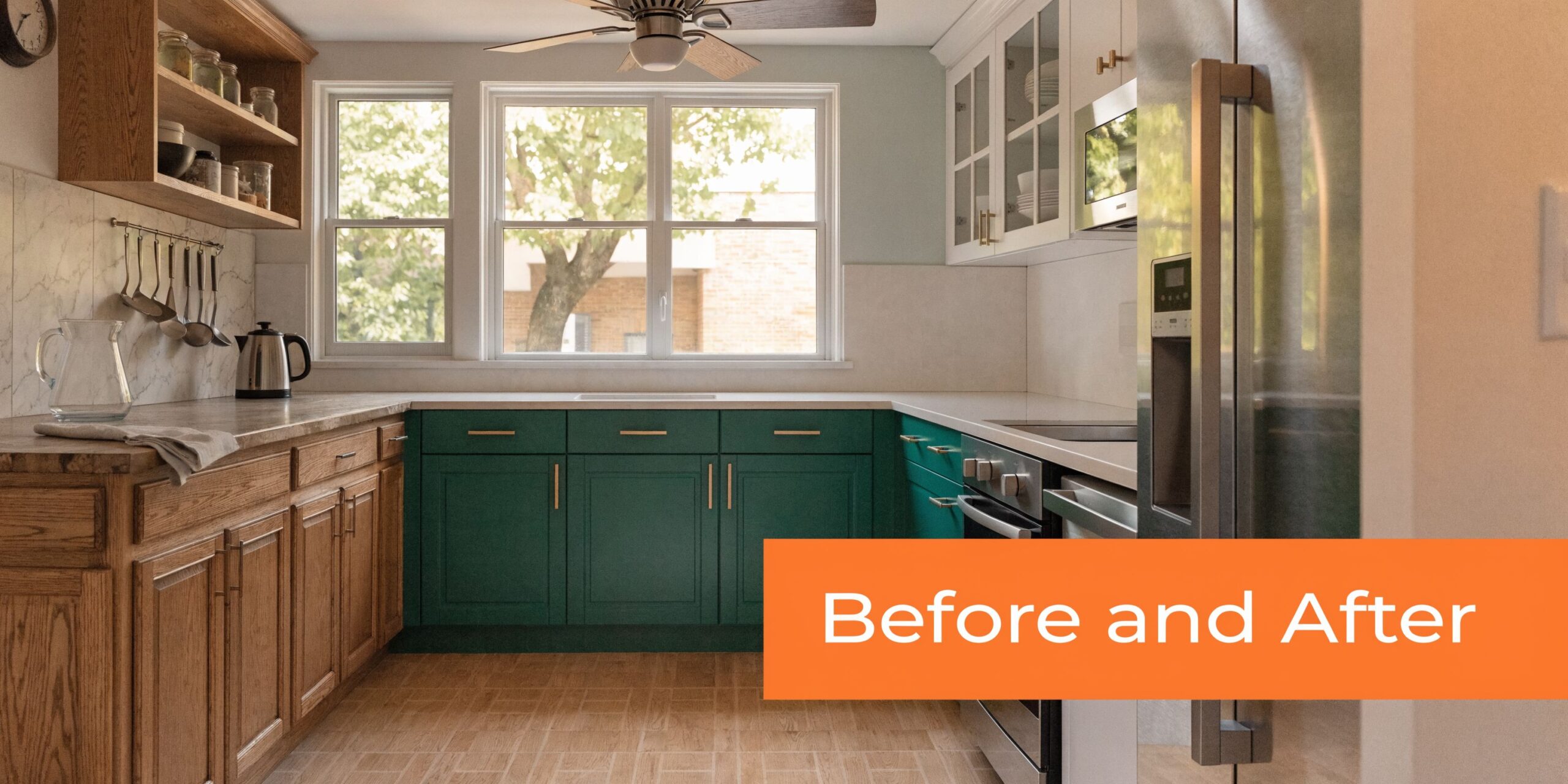
Instagram works best for local businesses when the post answers, “Can I picture myself buying this?” That is why before-and-after transformations, carousel walkthroughs, team intros, and product sets do well for med spas, dental practices, home services, salons, retailers, and auto detailers.
Evergreen Feed’s review of Instagram timing notes Buffer’s earlier finding that posts on Wednesday at 11 a.m. can achieve 15% higher engagement than weekend posts (https://www.evergreenfeed.com/blog/good-time-to-post-on-instagram/). That makes Tuesday and Wednesday late morning a smart place to start for local brands that want saves, shares, and DMs.
Why carousel posts fit local businesses
A single image is easy to ignore. A carousel gives the customer a reason to stay.
Use it for:
- Home services: problem, process, result
- Dental or med spa: concern, treatment steps, outcome, next step
- Retail: product collection, styling ideas, staff picks, in-store availability
- Automotive: before, repair detail, after, maintenance takeaway
A contractor in [City] can post a kitchen remodel carousel showing demo, install, and final reveal. A dental office can show a smile case in a compliant, permission-based format without oversharing. A vet can post pet dental education with visuals and a booking CTA.
Caption and response strategy
Instagram timing helps, but the first hour still matters. Replying quickly to comments and DMs gives the post more momentum and turns interest into action.
Use captions that do one of these:
- Teach: “Three signs your deck needs replacement”
- Compare: “Repair vs replace for an aging water heater”
- Prompt: “Which finish would you choose for a [Neighborhood] remodel?”
- Convert: “DM us ‘QUOTE’ for availability in [City] this week”
For multi-location brands, avoid posting one generic creative everywhere. A carousel that mentions [City], [Neighborhood], or a local season usually feels more relevant than a corporate template.
If Instagram generates lots of DMs and your team struggles to answer fast, set up a workflow for auto reply DM Instagram so you can acknowledge inquiries quickly and route real leads.
4. LinkedIn for B2B and professional services
LinkedIn is not the best place for coupon-style content. It is where operators, office managers, regional leaders, and referral partners judge whether your business sounds credible.
That makes it useful for dental groups, healthcare consultants, franchise operators, legal and accounting firms, commercial contractors, and any local business that also sells to professionals.
HubSpot’s B2B research, summarized in the verified data, found that weekday mornings from 8 to 10 a.m. generate higher click-through rates on LinkedIn, and LinkedIn data indicates significantly more shares and comments in those strong windows. That is enough reason to treat Tuesday through Thursday mornings as your starting playbook.
What to publish on LinkedIn
The best LinkedIn content for local and regional operators is educational and specific.
Good examples:
- a clinic operations lesson
- a hiring or training insight
- a process improvement story
- a location expansion update
- a short compliance or service explainer
- a leadership point of view tied to customer experience
A multi-location dental group can post about reducing scheduling friction across locations. An HVAC commercial service company can post a facility-maintenance checklist for property managers. A senior living operator can share how tours are handled consistently across communities without making prohibited or non-neutral housing claims.
How to make it useful instead of corporate
Most local brands fail on LinkedIn because they write like a press release.
Use this structure:
- First two lines: state the problem
- Middle: explain what changed
- Close: share one lesson or ask one thoughtful question
For example, an accounting firm in [City] might post: “Most business owners do not need more reports. They need faster answers before payroll, tax deadlines, and vendor decisions.” That opening earns more attention than “We are excited to announce.”
Here is a useful embed for teams refining platform execution:
LinkedIn trade-offs
LinkedIn usually does not drive immediate walk-ins the way GBP can. It does help with referrals, recruiting, partnerships, and higher-trust sales cycles. If your audience includes office administrators, operations directors, or franchise candidates, LinkedIn deserves a real slot in your calendar.
5. YouTube Community Tab and Shorts for educational content
YouTube is one of the best channels for businesses that need to build trust before the sale. It works especially well for HVAC, plumbing, dental, veterinary, med spa, and auto because customers often want to understand the problem before they call.
For local operators, the win is not “going viral.” The win is becoming the business people remember when they decide they do not want to DIY the issue anymore.
What local businesses should publish
Short educational videos work because they remove uncertainty.
Examples that fit local service brands:
- “Signs your AC may need service before summer”
- “What a cracked filling can feel like”
- “How to tell if your dog’s ear issue needs a vet visit”
- “When a brake noise is urgent”
- “Three reasons your water pressure dropped”
Keep the promise narrow. One question, one answer, one CTA.
A vet clinic in [City] can post a short pet-care tip and direct viewers to call for appointments. A plumbing company can explain slow-drain causes and then close with, “If this is happening in [Neighborhood], book a service call.”
Use YouTube as a trust builder
The Community Tab is useful for reminders, polls, local updates, and quick prompts. Shorts are better for reach and discovery. Long-form video helps with search and authority if your team can sustain it.
What tends not to work:
- overproduced intros
- generic stock visuals
- weak audio
- no next step
- content copied from national brands with no local relevance
Good local video sounds like a technician, doctor, advisor, or manager answering the question a customer asked this morning.
If you have multiple locations, avoid centralizing every video into one generic message. A regional version that mentions weather, seasonality, or service area often converts better than broad corporate education.
6. TikTok for younger demographics and reach
TikTok is not the first channel I would build for an emergency plumber, but it can be valuable for awareness, recruiting, brand personality, and top-of-funnel trust. It is especially useful when younger homeowners, parents, or staff candidates influence the buying decision.
The mistake is treating TikTok like Facebook. Hard-sell service ads usually underperform there. Human stories, quick tips, reactions, and behind-the-scenes content are a better fit.
What local businesses can do well on TikTok
Formats that tend to fit service businesses:
- Technician perspective: “What surprised me when I started in HVAC”
- Myth busting: “No, whitening toothpaste does not do this”
- Day-in-the-life: route planning, morning prep, supply run, team culture
- Quick fixes: safe homeowner tips followed by when to call a pro
- Story arc: one customer problem, one reveal, one outcome
A dental office can create educational content without using patient-identifying information. An auto shop can explain common repair misconceptions. A med spa can answer pre-appointment questions clearly and professionally.
The trade-off with TikTok
TikTok can produce attention that does not convert right away. That does not make it useless. It means you should use it for the right job.
Good outcomes from TikTok include:
- stronger brand familiarity in [City]
- more profile visits
- more inbound messages
- more job applicants
- better recall when someone needs your service later
What does not work is forcing every post to ask for the sale. Give people something worth watching first.
If your audience skews older, or if you rely heavily on “near me” demand, put more effort into GBP, reviews, and Facebook first. TikTok should support those channels, not replace those.
7. Email newsletter and SMS for review requests and repeat visits
Email and SMS are not social platforms, but they are part of the same timing problem. Send at the wrong moment and the request feels intrusive or gets ignored. Send at the right moment and customers are more likely to respond, review, or rebook.
For local operators, Thursday and Friday afternoons are often useful because customers are wrapping up the week, checking messages, and planning the next one. More important than the weekday, though, is the trigger. A review request should follow the actual service experience while it is still fresh.
SMS review request script
Here is a simple version for a dental office, med spa, HVAC company, or vet clinic. Keep it short and easy to act on.
SMS script
Hi [Name], thanks for choosing [Business Name] in [City]. We’d love your feedback. If you have a moment, please share your experience here: [Review Link]. Reply STOP to opt out.
Email review request script
Use email when you want a slightly warmer tone or a branded experience.
Email script
Subject: Thanks for visiting [Business Name]
Hi [Name],
Thank you for choosing [Business Name]. We appreciate the opportunity to serve you. If you have a minute, we’d value your feedback here: [Review Link]
Your comments help our team improve and help other customers in [City] choose the right provider.
Thank you,
[Business Name]
Segmentation matters more than blast volume
Do not send the same message to everyone.
Segment by:
- service completed
- first-time vs repeat customer
- location
- service line
- appointment type
- recency of visit
A plumbing customer who had emergency service yesterday needs a different message than a maintenance-plan customer from last month.
If you are collecting consent and building a compliant text workflow, use a proper opt-in text process first.
Two review response templates
Positive review response
Thank you, [Name]. We appreciate your feedback and are glad our team could help. Thanks for choosing [Business Name] in [City]. We look forward to serving you again.
Negative review response
Thank you for the feedback, [Name]. We’re sorry your experience did not meet expectations. We’d like to learn more and address the issue directly. Please contact [Manager Name] at [Phone Number] so we can follow up.
Keep healthcare replies HIPAA-aware. Do not confirm treatment details in public.
8. Google and Apple Maps Q&A and review replies
A lot of owners ask about the best day to post on social media but ignore the faster win. Review replies and Q&A responses on Google and Apple Maps often affect trust closer to the point of sale than a regular social post does.
If a prospect sees unanswered questions, stale reviews, or a defensive reply, they move on. If they see fast, calm, useful responses, they are more likely to call.
Why response speed matters
Harvard Business Review reported that content posted during weekday attention peaks, especially 8 to 11 a.m. and again in the evening, can improve commercial outcomes, and its research noted an 8% revenue lift from timing content around audience cognitive availability rather than gut feel (https://hbr.org/2018/09/a-study-shows-the-best-times-of-day-to-post-to-social-media). The local-business lesson is simple. Handle reviews and questions during active customer research windows, not at random when someone finally has time.
A weekday morning routine works well for many operators because that is when new questions, fresh reviews, and active searchers overlap.
Daily response playbook
Use a short standing process:
- Check both platforms: Google and Apple Maps
- Answer questions directly: hours, insurance, parking, service area, availability
- Reply to all reviews: positive and negative
- Move sensitive issues offline: especially in healthcare, housing, and service complaints
- Log recurring questions: they belong in your website FAQ, GBP Q&A, and intake scripts
Examples:
- A dental office answers “Are you accepting new patients in [City]?” with a direct yes or no and the next step.
- A senior living community answers tour logistics neutrally and avoids any language that could create Fair Housing issues.
- An HVAC company responds to a complaint with accountability and a manager contact, not an argument.
The worst review response is not a negative one. It is silence.
If you need to expand local listing control beyond Google, it helps to understand how to manage Apple presence too. Start here for Apple Maps add business.
Best Day & Time to Post: 8-Channel Comparison
| Channel | 🔄 Implementation Complexity | ⚡ Resource Requirements | ⭐ Expected Outcomes | 📊 Ideal Use Cases | 💡 Key Advantages / Tips |
|---|---|---|---|---|---|
| Google Business Profile Posts (Tue–Thu 10 AM–12 PM) | Low 🔄: quick weekly posts, repeat cadence | Low ⚡: minutes to create, local photos | High ⭐: boosts local SEO and immediate bookings | Service businesses needing same‑day leads | Include clear CTA, post weekly, use local photos 💡 |
| Facebook Local Pages (Thu–Fri 5–8 PM) | Medium 🔄: requires community management | Medium ⚡: visual/ video assets + moderation, ads optional | Medium⭐: strong local engagement for weekend promos | Restaurants, cafes, hospitality venues | Post Thurs afternoon, use engaging video/photos, reply fast 💡 |
| Instagram Carousel (Tue–Wed 9–11 AM) | Medium 🔄: visual storytelling and consistent aesthetic | Medium–High ⚡: photography/ editing, hashtags, posting cadence | High ⭐: strong engagement, saves, brand trust | Retail, home services, healthcare showcasing transformations | Use 3–7 slides, lead with best image, CTA on final slide 💡 |
| LinkedIn (Tue–Thu 8–10 AM) | Medium 🔄: needs long‑form/educational content | Medium ⚡: subject-matter expertise, employee amplification | High ⭐: B2B leads and thought leadership over time | B2B, professional services, healthcare partnerships | Lead with insight/stat, use docs/video, tag influencers 💡 |
| YouTube Shorts & Community Tab (Wed–Fri 11 AM–1 PM) | Medium–High 🔄: regular short/video production, subscriber threshold | Medium ⚡: short video production (phone ok), editing/time | High ⭐: strong discoverability and educational reach | Tutorials, maintenance tips, service explainers | Keep <60s, hook early, cross-post to Reels/TikTok 💡 |
| TikTok (Mon–Tue 3–5 PM) | Medium 🔄: trend-driven creative cadence | Low–Medium ⚡: phone production, trend monitoring | Variable ⭐: high viral potential, inconsistent ROI | Brands targeting younger demographics and awareness | Use trending audio, <30s, hook in 1s, engage fast 💡 |
| Email & SMS to Review Requesters (Thu–Fri 4–6 PM) | Medium 🔄: automation + compliance setup | Medium ⚡: CRM, templates, segmentation, opt‑in management | Very High ⭐: highest ROI for reviews and repeat bookings | Review requests, retention, segmented campaigns | Personalize, send 24–48h post-service, A/B test timing 💡 |
| Google & Apple Maps Q&A & Review Replies (Weekday 9–10 AM) | Medium 🔄: requires daily monitoring and trained replies | Low–Medium ⚡: staff time or centralized tool for responses | High ⭐: improves local rankings and trust rapidly | All local businesses focused on Maps Pack visibility | Respond within 2–4 hours, use empathetic, solution‑oriented replies 💡 |
From plan to profit
Knowing the best day to post on social media helps. Running the system consistently is what produces calls, bookings, and repeat business.
Most local businesses do not need more channels. They need a tighter operating rhythm. That means posting when customers are likely to pay attention, responding fast when they engage, and measuring actions that tie back to revenue.
A simple testing process
Start with the timing windows in this guide, then validate them with your own data.
Use this process:
Pick one platform and one content type
Example: Instagram carousel for before-and-after projects.Test two time slots for two weeks
Keep the creative style similar. Change the posting window.Track business outcomes, not vanity metrics
Look at calls, DMs, booking requests, form fills, direction requests, and profile clicks.Choose a winner and standardize it
Once one slot clearly produces better downstream actions, make it your default.Retest quarterly
Audience behavior shifts. Seasons change. Staff schedules change. School calendars affect household routines.
If you manage multiple locations, do not force every store or office into one universal posting schedule. A dental group in [City] and a med spa in [Neighborhood] may share a brand, but their appointment patterns and audience routines can differ.
A practical weekly cadence
Here is a workable example for a local dental practice or small group:
- Monday team or provider spotlight on Instagram
- Tuesday educational Facebook post answering a common patient question
- Wednesday Instagram carousel with before-and-after style visual education
- Thursday Google Business Profile post with booking availability
- Friday testimonial-style content on Facebook or YouTube Shorts
For an HVAC or plumbing business, replace the healthcare examples with seasonal maintenance reminders, service-area spotlights, and technician Q&A clips.
Review and reply templates
These give your team speed and consistency.
Positive review response
Thank you, [Reviewer Name]. We appreciate your kind words and are glad our team could help. Thanks for choosing [Business Name] in [City]. We look forward to seeing you again.
Negative review response
Thank you for your feedback, [Reviewer Name]. We’re sorry your experience did not meet expectations. Please contact [Manager Name] at [Phone Number] so we can learn more and work toward a resolution.
For healthcare, do not confirm treatment details. For housing, keep language neutral. For any regulated category, avoid promises and avoid discussing private customer information publicly.
Seven-day launch checklist for a review program
Use this if you are building the process from scratch.
- Day 1: choose your review link destinations and finalize SMS and email copy
- Day 2: confirm consent language and internal approval process
- Day 3: assign who monitors incoming reviews and questions
- Day 4: load response templates for positive and negative reviews
- Day 5: test requests with a small batch from one location
- Day 6: review replies, timing, deliverability, and team handoff issues
- Day 7: launch across locations with one owner accountable for follow-through
Measuring what matters
A lot of social reporting looks busy but says nothing useful. Track the metrics that connect activity to real demand.
Watch:
- Review volume
- Review recency
- Average star rating
- Response time
- Google Business Profile views
- Calls from GBP
- Bookings or tour requests
- Lead-to-sale conversion by location
The author brief requested targets, but there is no verified data provided for safe numeric benchmarks on review volume, response time goals, star rating thresholds, GBP growth targets, or conversion targets. So set internal targets based on your baseline, category, and location count. What matters most is trend direction and consistency.
How to tag links with UTMs
UTM stands for Urchin Tracking Module. It is a short code added to a URL so your analytics platform can identify where a click came from.
Example format:
https://yourwebsite.com/book?utm_source=google&utm_medium=business_profile&utm_campaign=summer_service
You can use UTMs on:
- Google Business Profile booking links
- social profile links
- Facebook event links
- Instagram bio links
- email and SMS landing pages
That lets you distinguish traffic from a GBP post versus Facebook, Instagram, or an email request.
Short checklist for Google Business Profile
Keep this list simple and repeatable:
- Complete every core field: services, hours, phone, website, attributes
- Use recent photos: exterior, interior, team, service examples
- Keep NAP consistent: name, address, phone across all listings
- Add useful Q&A: common questions about service area, scheduling, parking, insurance, or availability
- Monitor reviews daily: respond quickly and professionally
- Check categories and service details: make sure they match what you sell
FAQs
What is the single best day to post on social media?
For many local businesses, Wednesday and Thursday are the strongest starting point, but the best day to post on social media still depends on the platform and customer intent.
Is morning or evening better?
Morning often works better for service businesses, professional services, and local search intent. Evening can work better for restaurants, hospitality, and leisure planning.
Does posting time matter more than content quality?
No. Timing helps distribution. Good content, clear offers, and fast follow-up drive results.
How often should a local business post?
A steady schedule is better than bursts of activity. Choose the platforms that match your buying journey and maintain a cadence your team can sustain.
How do “near me” searches connect to social posting?
Social posts do not directly replace local SEO, but active profiles, fresh content, and strong engagement support relevance and prominence, which matter when people search for businesses nearby.
Should every location post at the same time?
Not always. Different cities, service lines, and customer routines can justify different schedules.
What should I fix first if results are weak?
Start with your business listings, review response process, and conversion path. If the profile is incomplete or no one answers messages, better posting times will not solve the core issue.
One useful outside perspective on event-driven brand visibility is this piece on strategic corporate photo booth hire, especially for hospitality and experiential campaigns where timing and local attention matter.
If you want a practical system instead of another generic calendar, Reviews To The Top can help you build one. That includes reputation management, review requests, faster replies, listing accuracy, and local visibility support with month-to-month flexibility. You can also explore reputation management, see how to support specific categories through industry solutions, learn more about reviews and local growth, contact the team, or book a strategy call.
If you want help turning posting timing, review generation, and local profile management into a repeatable growth system, Reviews To The Top offers white-glove, month-to-month support for local and multi-location businesses.