
When reviews of Gentle Dental range from 2.8 out of 5 on Indeed based on 118 reviews to 1 out of 5 on the Better Business Bureau for one location across 41 customer reviews, operators should read that as a conversion problem, not just a branding problem, according to Indeed review data. Patients searching “dentist near me” in [City] don't separate reputation, operations, and local SEO. They experience them as one decision: book, call, message, or keep scrolling.
For owners, practice managers, and regional marketing teams, that's why this case matters. Public reviews tell you where a dental group is leaking trust, where location governance is breaking down, and where a better response system can turn reviews into more calls, bookings, and treatment starts.
Table of Contents
- What Reviews of Gentle Dental Reveal About Conversions
- Deconstructing the Data Behind Gentle Dental's Reputation
- The Operator's Playbook for Review Management
- Optimizing Your Digital Front Door and Local SEO
- Measuring What Matters for Practice Growth
- Turning Reviews into Your Competitive Advantage
- Operator FAQs on Patient Review Behavior
- Do patients trust a perfect review profile?
- What makes a dental review feel credible?
- Do responses to negative reviews really matter to onlookers?
- What matters more, star rating or recency?
- Should every location have its own review strategy?
- What should operators avoid in responses?
- Why do billing complaints hit so hard?
What Reviews of Gentle Dental Reveal About Conversions
Fragmented reviews kill conversions because they force patients to do extra trust work. If someone in [Neighborhood] searches “family dentist near me” and sees one cluster of praise, one cluster of billing complaints, and no visible pattern of professional follow-up, uncertainty replaces intent.
That's the lesson in the public pattern around reviews of Gentle Dental. A practice can survive a few bad reviews. It struggles when prospects can't tell whether the issue was isolated, resolved, or built into how the office runs.
Why mixed signals convert worse than steady middling feedback
A reputation profile with sharp extremes often creates more hesitation than a merely average one. Patients can handle imperfection. What they can't quickly process is inconsistency.
That matters because your review profile sits inside the broader patient journey. If your website is polished but your public feedback suggests friction at the front desk, billing desk, or handoff between locations, the website can't fully rescue the conversion. The same principle shows up in broader CRO work around optimizing user experience for better results. Trust breaks when the promise and the experience don't line up.
Practical rule: Reviews are not a separate marketing channel. They are the public audit log of your operations.
What operators should take from this case
For single-location practices, the takeaway is discipline. For groups, it's governance. Every office needs one system for requesting reviews, one standard for replies, one escalation path for complaints, and one owner of the process.
If you're trying to understand whether reviews influence visibility, they do, especially through local intent and click behavior. This overview of whether Google reviews help SEO is useful because it connects review quality with how searchers choose between map results.
Common conversion failures tied to review instability include:
- Billing confusion: Patients hesitate when they see repeated language about charges, estimates, or upselling.
- Communication gaps: A missed callback or unclear explanation often becomes a public review because it feels preventable.
- Location inconsistency: One strong office can't offset another weak office if searchers are evaluating branches one by one.
- Silence from management: No reply often reads as “this office doesn't fix problems.”
Deconstructing the Data Behind Gentle Dental's Reputation
A single weak location profile can drag down conversion across an entire brand, especially when searchers compare offices side by side. For operators, the point of studying reviews of Gentle Dental is not curiosity. It is pattern recognition.
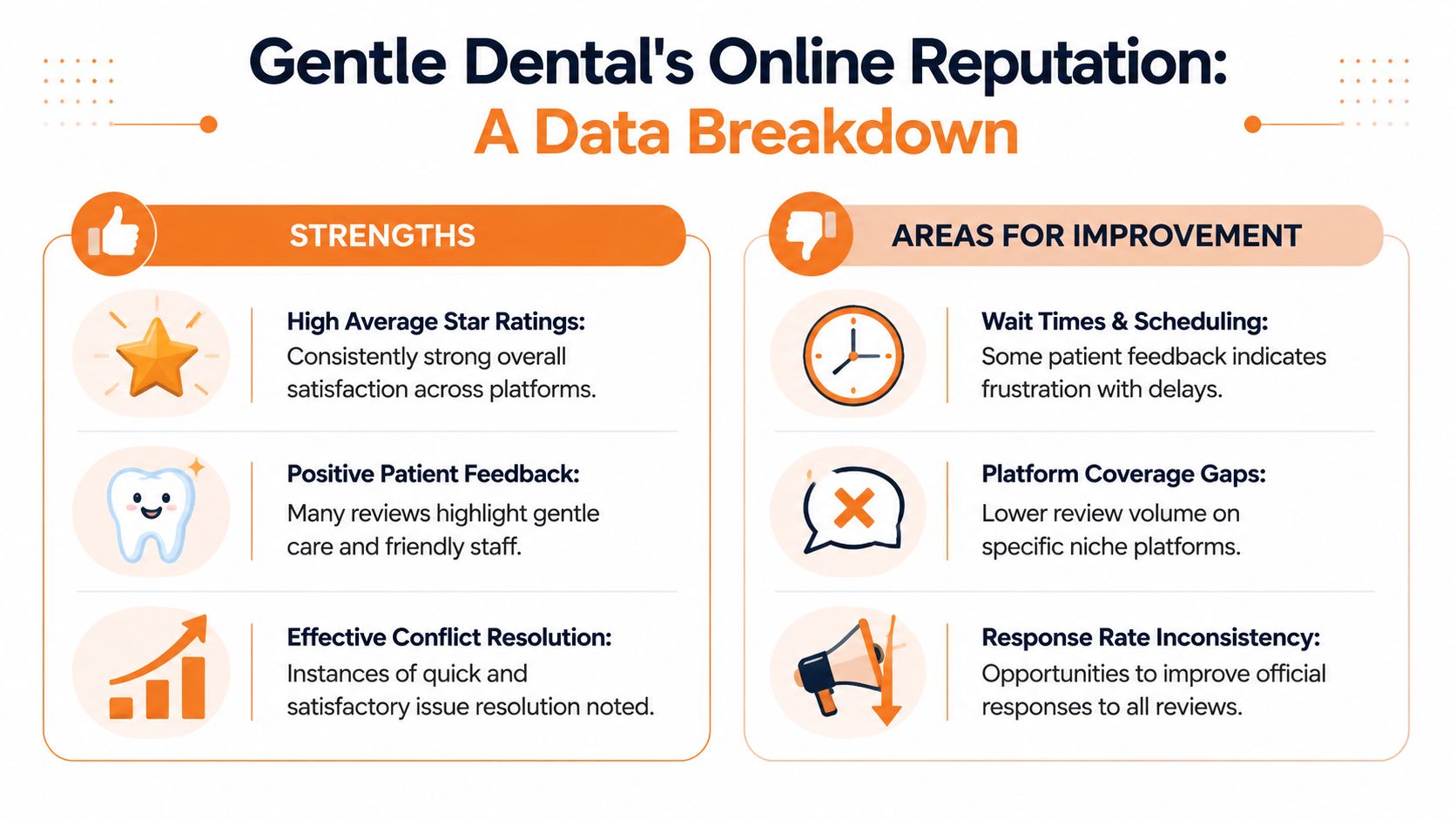
Data from July 21, 2025, shows Gentle Dental had 2.8 out of 5 stars from 118 employee reviews in the previously cited Indeed data. In the verified data set for one El Segundo, California location, the Better Business Bureau shows an average customer rating of 1 out of 5 stars across 41 customer reviews, while Consumer Affairs documented 169 reviews and ratings with recurring complaints around inconsistent billing and poor staff communication.
Key facts
- Employee sentiment is weak: the previously cited Indeed data shows 2.8 out of 5 stars from 118 reviews.
- One customer-facing location looks far worse: BBB shows 1 out of 5 stars across 41 customer reviews for the El Segundo listing in the verified data.
- Complaint themes repeat across platforms: Consumer Affairs documented 169 reviews and ratings, with recurring complaints about billing inconsistency and poor communication.
- The profile management gap is visible: Consumer Affairs notes the business profile has not been claimed by company management.
- Trust suffers when review sentiment is polarized: verified data says extreme positive-negative clustering can reduce buyer confidence by 23-31%.
- Thoughtful replies matter: verified data also says empathetic, solution-oriented responses can recover 34-47% of review sentiment over 60-90 days.
What the review mix signals
A fractured review profile usually points to uneven execution at the office level, weak central controls, or both. In dental groups, that often means the brand promise is centralized while billing explanations, scheduling standards, treatment presentation, and complaint handling are left to local habits.
Operators should read this as competitive intelligence, not just reputation commentary. Break down competitor reviews by location, complaint type, provider mention, and whether management responded. This framework for competitor analysis in SEO is useful because it helps teams turn public sentiment into a branch-by-branch operating map.
| Common Themes in Gentle Dental Reviews | |
|---|---|
| Frequent Positives | Frequent Negatives |
| Clean facilities | Inconsistent billing |
| Quick service turnaround | Poor staff communication |
| Professionalism at some affiliated locations | Allegations of upselling and unnecessary charges |
| Patients feeling cared for or relaxed in certain reviews | Rudeness and procedural frustration |
Three conclusions matter for practice groups.
First, billing language shapes conversion before treatment starts. If reviews keep mentioning surprise charges, unclear estimates, or pressure around add-on services, the issue is not isolated to finance. It usually starts in case presentation, insurance explanation, and front-desk handoff quality.
Second, unclaimed or lightly managed profiles weaken brand control. A searcher does not separate “corporate” from “local office” the way operators do. They see one brand, then assume silence means indifference.
Third, mixed sentiment is not the problem by itself. Unresolved mixed sentiment is the problem. A profile with mostly positive reviews, a reasonable number of complaints, and visible follow-up can still convert well. A profile with sharp swings and no credible response pattern creates doubt about whether the patient experience is stable from one visit or one location to the next.
For healthcare teams setting reply standards, this guidance on how medical professionals handle online criticism is worth reviewing because it covers tone, professionalism, and risk in a regulated setting.
If prospects cannot tell whether your five-star stories or your one-star complaints better represent the real visit experience, your conversion funnel has already lost trust.
The Operator's Playbook for Review Management
The fix isn't “get more five-star reviews.” The fix is to build a repeatable system that reflects the actual care experience and catches friction early.
Start with operations, not messaging
Verified Glassdoor commentary for Gentle Dental includes phrases like “bad management” and “heavy workload” on the cited review page at Glassdoor. Operators should treat that as a warning. Public review problems often begin inside staffing, training, handoffs, and leadership.
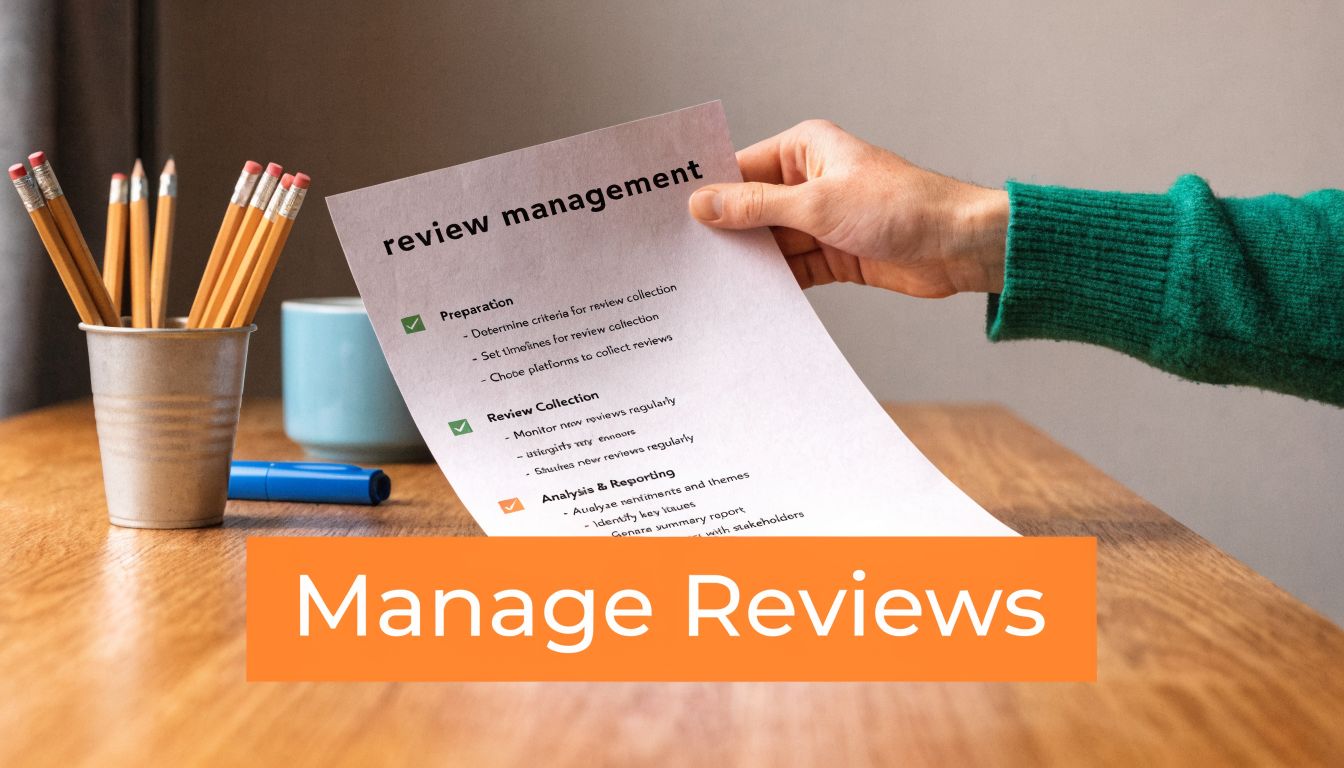
A workable review program starts with a short internal audit:
Map the patient journey
- Confirm who explains treatment and fees.
- Check who owns post-visit follow-up.
- Identify where callback failures happen.
Define escalation
- Front desk handles routine feedback.
- Office manager handles service complaints.
- Regional lead handles legal, billing, or repeat-pattern issues.
Set reply rules
- No protected health information, or PHI.
- No arguing.
- No copy-paste apologies without action.
For a healthcare-specific perspective on tone and risk, this piece on how medical professionals handle online criticism is a useful reference.
A 7 day launch checklist
A dental review program works best when it starts small and gets consistent.
- Day 1. Claim profiles: Claim and verify Google Business Profile, Consumer Affairs where applicable, and major directories used by your market.
- Day 2. Standardize NAP: Confirm name, address, and phone for each [City] location. Keep hours, services, and appointment links accurate.
- Day 3. Build request flow: Decide when the ask goes out. Most practices send after hygiene, restorative, and consult visits once the patient interaction is complete.
- Day 4. Train staff: Give front desk and treatment coordinators one approved sentence for the verbal ask.
- Day 5. Prepare templates: Load positive and negative response templates into your workflow.
- Day 6. Assign SLA: Set a response time service level agreement for new reviews and escalations.
- Day 7. Launch and review: Check delivery, links, staff compliance, and review quality.
If your team needs a more detailed process for platform monitoring and response workflows, this guide on how to manage Google reviews is worth bookmarking.
HIPAA aware review request templates
Use direct language and avoid mentioning treatment details.
SMS review request
Hi [First Name], thanks for visiting [Practice Name] today. If you'd like to share feedback about your experience, we'd appreciate a quick review: [Review Link]
Email review request
Subject: Share feedback on your visit to [Practice Name]
Hi [First Name],
Thank you for choosing [Practice Name]. We're always working to improve the patient experience at our office in [City]. If you'd like to leave a review, you can do that here: [Review Link]
We appreciate your time,
[Practice Name]
A short training clip can help staff understand the difference between asking consistently and asking awkwardly.
Review response templates
Positive review response
Thank you for your kind feedback. We're glad you had a positive experience with our team at [Practice Name]. We appreciate you taking the time to share it and look forward to seeing you again.
Negative review response
Thank you for sharing your feedback. We take concerns about communication and billing seriously. To protect privacy, we can't discuss visit details here, but we'd like the opportunity to review your experience directly. Please contact [Office Manager Name or General Contact Method] so we can follow up.
A strong public reply does two jobs at once. It respects the reviewer and reassures the next patient reading the thread.
Optimizing Your Digital Front Door and Local SEO
A large share of patients who find a dental office online never call. They compare listings, scan reviews, click through to the website, and make a fast judgment about trust. For operators, that means the digital front door is part ranking factor, part conversion asset.
The Gentle Dental name is a useful case study because it shows how brand similarity can create confusion in local search. One practice can carry strong sentiment while another office under the same or similar name struggles with weaker public feedback. Operators cannot assume the parent brand will carry each location. Each office has to earn visibility and trust on its own listing.
How Google evaluates local dental listings
Google still sorts local intent around three practical signals: proximity, relevance, and prominence.
- Proximity: How close the searcher is to your office in [City] or [Neighborhood].
- Relevance: How well the profile matches the search, such as “emergency dentist near me,” “Invisalign [City],” or “pediatric dentist.”
- Prominence: How credible the business appears across reviews, citations, profile completeness, and user engagement.
Operators usually focus on proximity because it feels fixed. It is fixed. The opportunity sits in relevance and prominence. Those are operational variables. Service setup, category choices, review velocity, location-page quality, and profile upkeep all affect whether your office wins the click once it appears.
For multi-location groups, this creates a real trade-off. Centralizing profile management improves consistency, but over-centralizing can flatten local relevance. A suburban office needs its own service mix, photos, review link, and location page. A generic corporate template often creates weak local signals and lower conversion after the click.
If your team needs a practical reference on optimizing your Google Business Profile, use it as a maintenance guide. For a broader playbook on healthcare visibility, this resource on local SEO for medical practices gives the right operating context.
Google Business Profile checklist
Use this checklist at the office level, not just at the brand level:
- Primary category: Choose the closest match to the core business, then add secondary categories that reflect real services.
- Core fields: Confirm address, phone, hours, website, and appointment URL for every location.
- Service list: Add high-intent treatments patients search for, including exams, implants, cosmetic dentistry, and emergency care.
- Photos: Upload current exterior, interior, team, and provider images so new patients recognize the office when they arrive.
- Review flow: Use one location-specific review link for each office instead of sending all feedback to a brand-wide destination.
- Response discipline: Reply on schedule and move billing, communication, or clinical complaints into a private follow-up process.
- Location pages: Point each GBP to the matching office page, not a general corporate homepage.
One more point matters here. Ranking and conversion are connected. If the profile earns the click but the landing page is thin, outdated, or routed to a generic site experience, the office loses the patient after winning visibility. That is why reputation, local SEO, and front-end conversion should be managed as one system.
Measuring What Matters for Practice Growth
If the team can't see whether review work changes calls and bookings, the program won't last. Measurement needs to connect three things: review health, local visibility, and front-end conversion.
Verified data from Consumer Affairs says Gentle Dental's business profile there has not been claimed by company management, which prevents responses on that platform, according to Consumer Affairs. That's a measurement lesson as much as a reputation lesson. If a profile isn't claimed, the business loses both control and reporting value.
The dashboard that matters
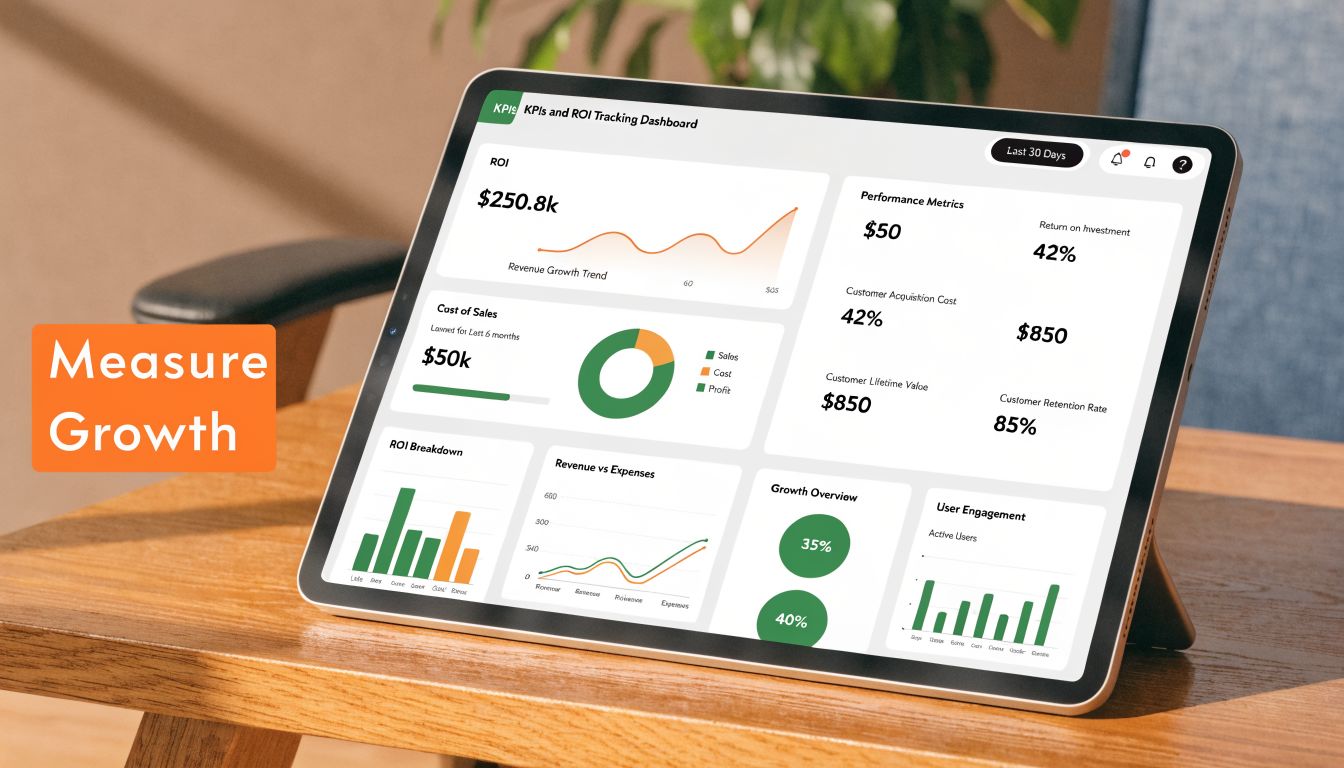
For dental operators, I'd track these metrics weekly and monthly:
- Review volume: New reviews by location and by source.
- Recency: Whether each office continues to generate current feedback instead of relying on old praise.
- Response time: Time from review posting to public reply.
- Star rating trend: Not just the current score, but whether it's stable, improving, or slipping.
- GBP engagement: Calls, website clicks, direction requests, and booking clicks from Google Business Profile.
- Lead-to-sale conversion: How many GBP-driven inquiries become scheduled appointments, then completed visits.
Use practical thresholds that fit your size and visit volume. The point isn't to chase vanity metrics. The point is to spot lagging locations early, especially when one [Neighborhood] office stops generating reviews or starts receiving the same complaint theme repeatedly.
Operational takeaway: A healthy review program should look alive. Fresh reviews, active responses, and clean profile data signal that the office is functioning well right now.
If you need a reporting framework for local visibility and branch comparisons, this resource on local SEO reporting can help organize dashboards by location.
How to track GBP to booking
Use UTM parameters, which are tracking tags added to URLs, on website links inside Google Business Profile. That lets you distinguish GBP traffic in analytics from other traffic sources.
A simple setup looks like this in practice:
- Website button: Send to the main location page with UTM tagging.
- Appointment link: Tag the booking URL separately from the standard website URL.
- Call tracking: If you use call tracking, keep directory consistency in mind and document which number routes from GBP.
- Form source capture: Add a hidden field or analytics event so online appointment requests can be tied back to GBP traffic.
Then review these questions monthly:
- Which locations get views but weak click-through?
- Which offices get calls but poor booking conversion?
- Which offices have solid reviews but weak profile completeness?
- Which complaints correlate with lower booked-appointment quality?
That's how review management turns into operating intelligence instead of a marketing side task.
Turning Reviews into Your Competitive Advantage
The public record around reviews of Gentle Dental shows what happens when brand reputation, location execution, and response discipline drift apart. Prospects don't experience that as an abstract reputation issue. They experience it as doubt at the exact moment they're deciding whether to call.
Strong operators use reviews differently. They treat them as a frontline signal for billing clarity, staff communication, scheduling reliability, and local search performance. They don't wait for a ratings problem to become a traffic problem.
The competitive edge is simple. Build one repeatable request process, one privacy-safe reply standard, one escalation path, and one branch-level scorecard. Then improve the underlying service issues that reviews keep surfacing.
That approach doesn't just protect brand perception in [City] or help you win more “dentist near me” searches. It makes the business easier to trust before a patient ever walks through the door.
Operator FAQs on Patient Review Behavior
Do patients trust a perfect review profile?
A flawless profile often raises more suspicion than confidence. Operators should aim for a review set that looks current, specific, and consistent with how the practice operates.
What makes a dental review feel credible?
Details. Reviews that mention scheduling, chairside communication, front desk follow-through, wait time, billing clarity, or treatment explanations carry more weight than generic praise. Those specifics also give operators better diagnostic value.
Do responses to negative reviews really matter to onlookers?
Yes. A measured, privacy-aware response signals that the practice takes service failures seriously and has a process to address them. The goal is not to win an argument in public. It is to reduce doubt for the next prospective patient comparing offices.
What matters more, star rating or recency?
Patients read them together. A solid rating backed by recent feedback usually converts better than an older profile with little current activity. For operators, that means review velocity matters, not just average score.
Should every location have its own review strategy?
Yes. Multi-location groups rarely have identical staffing patterns, patient expectations, insurance mix, or operational bottlenecks across offices. Review management has to be location-specific if you want clean diagnostics and better local conversion.
What should operators avoid in responses?
Avoid PHI, defensiveness, copied scripts, and legalistic language. Short replies work better when they acknowledge the concern, protect privacy, and move the conversation offline to the right manager.
Why do billing complaints hit so hard?
Billing complaints create a trust problem before they create a reputation problem. Patients may tolerate a late appointment. They are less forgiving when charges, coverage, or treatment recommendations feel unclear.
For practice groups using reviews of Gentle Dental as competitive intelligence, the takeaway is straightforward. Reputation strength comes from operating discipline: consistent review requests, fast issue triage, branch-level accountability, and a website plus profile stack that converts trust into booked appointments.
If you need outside support, Reviews To The Top works with local and multi-location operators that want tighter review operations, better response coverage, cleaner listings, and reporting a regional manager can effectively use. Strategy calls are available through their contact page.


